
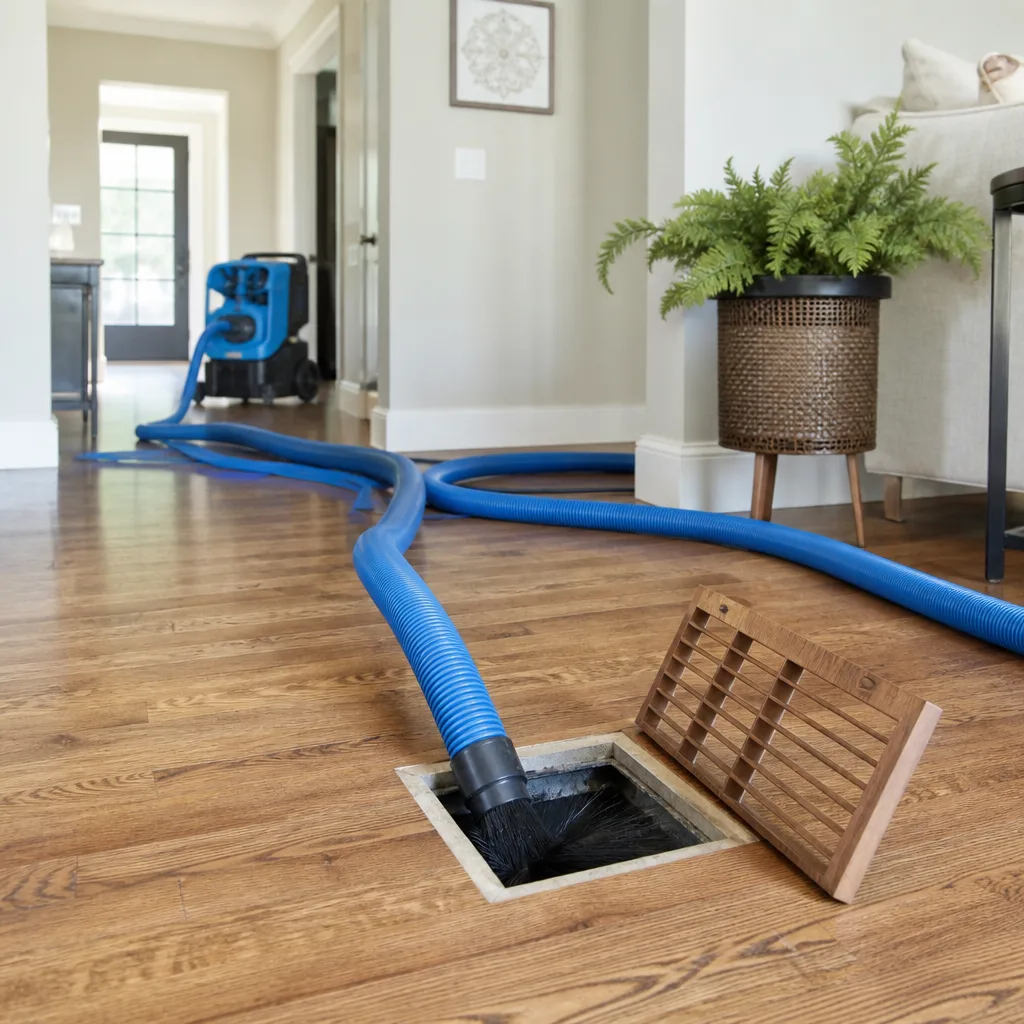
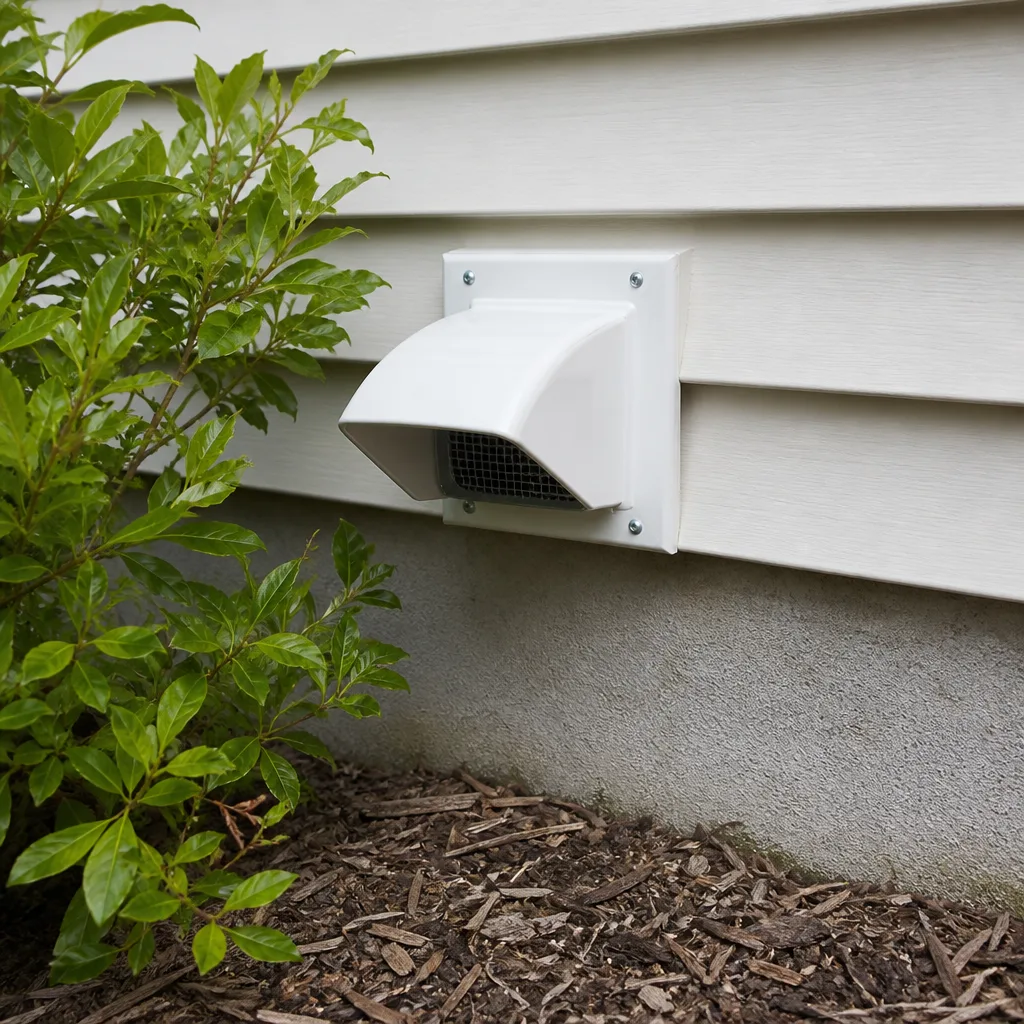
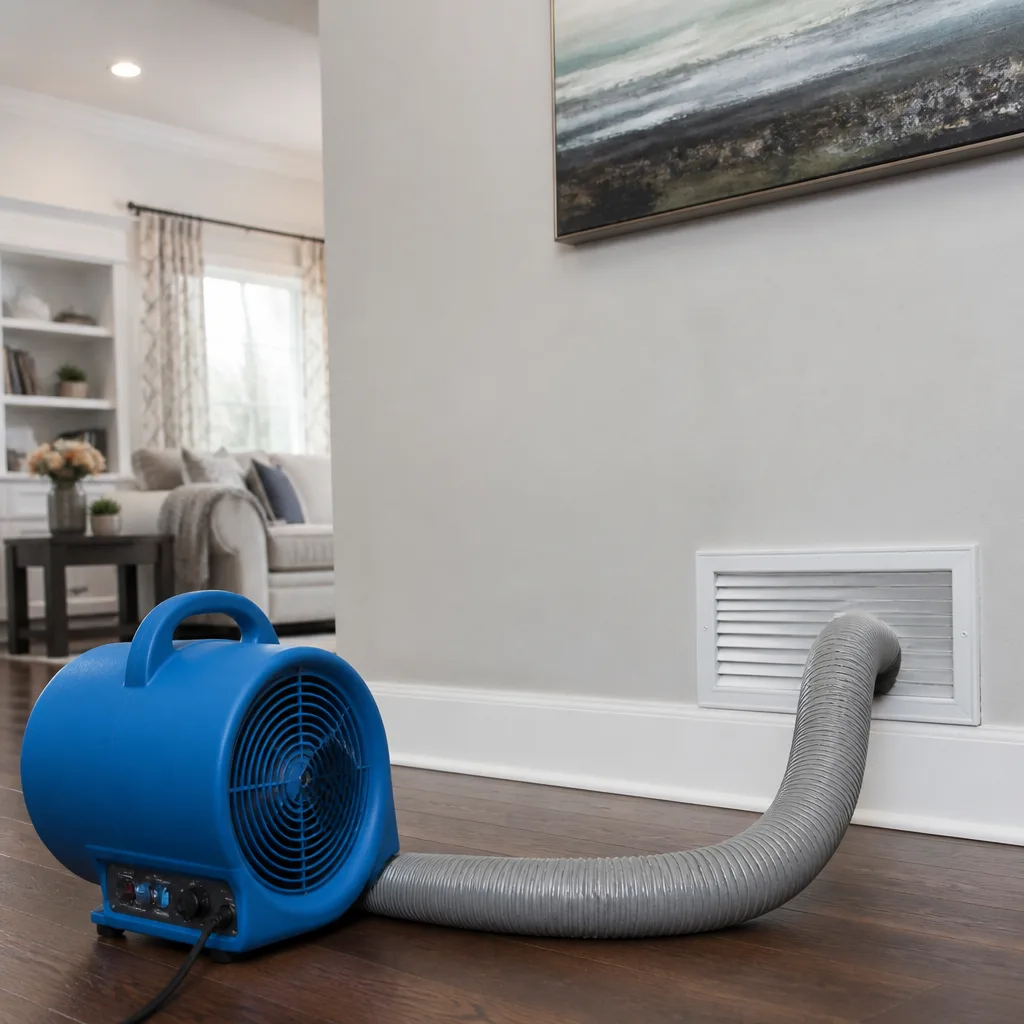
Whole-system duct and dryer vent check with before-and-after photos - you see exactly what came out of your vents
That "$99 whole-house special" is a bait ad - the real number appears once they are in your hallway, or the "clean" is a shop-vac at the register. We photograph the inside of your ducts before and after instead.
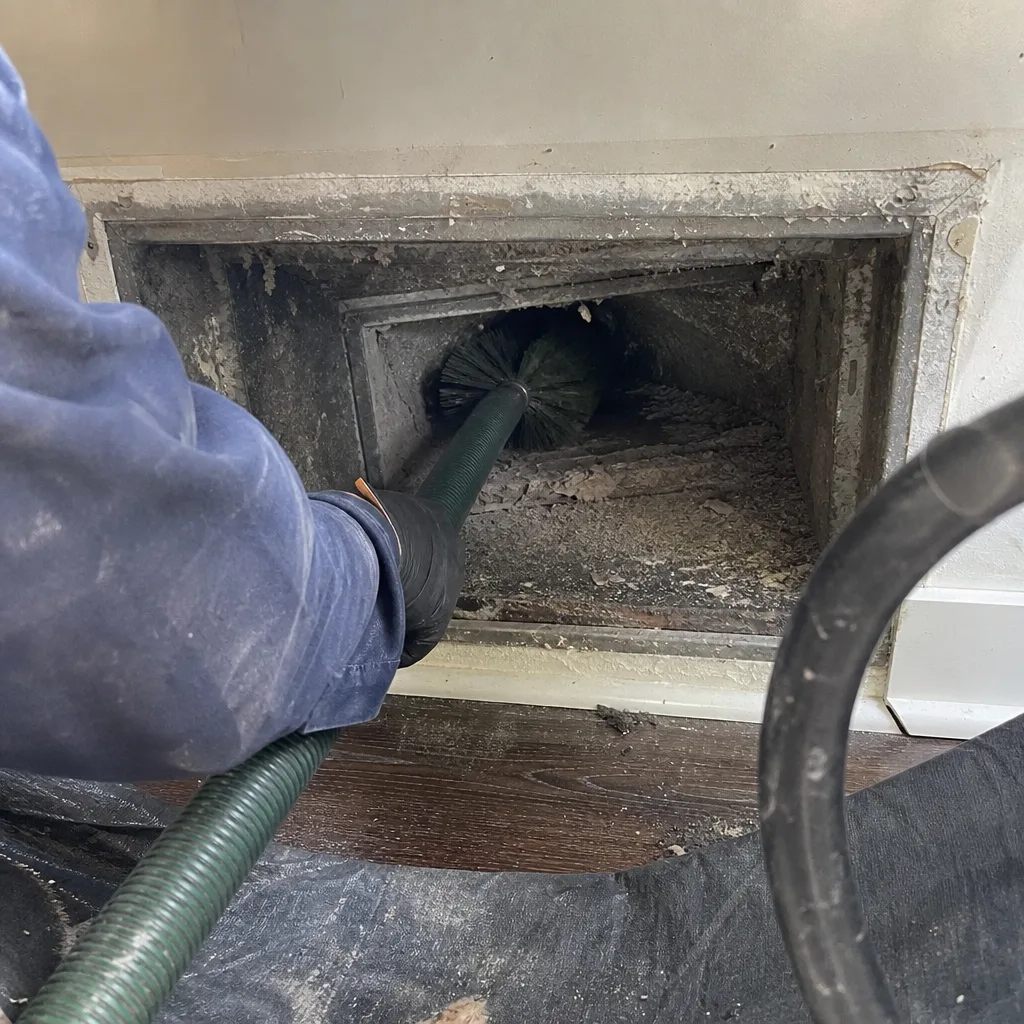 Before
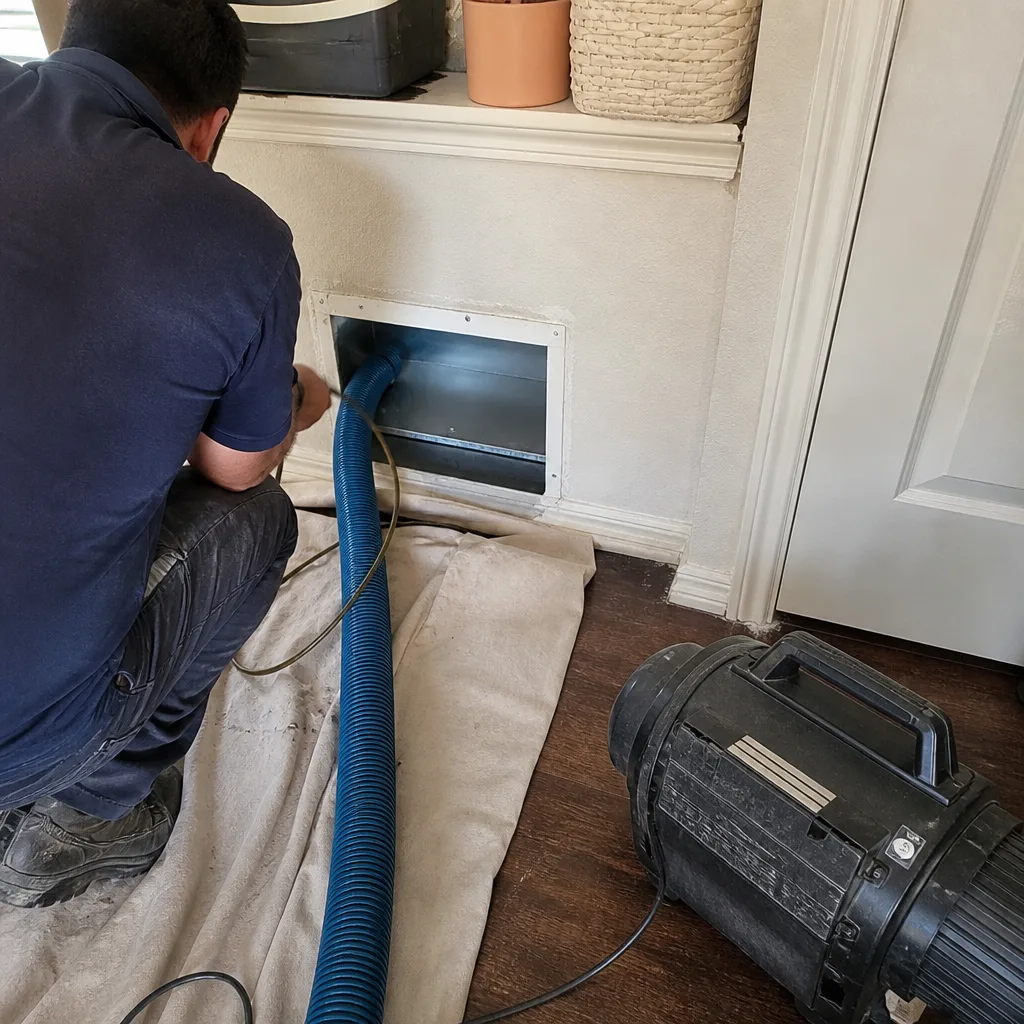 After
After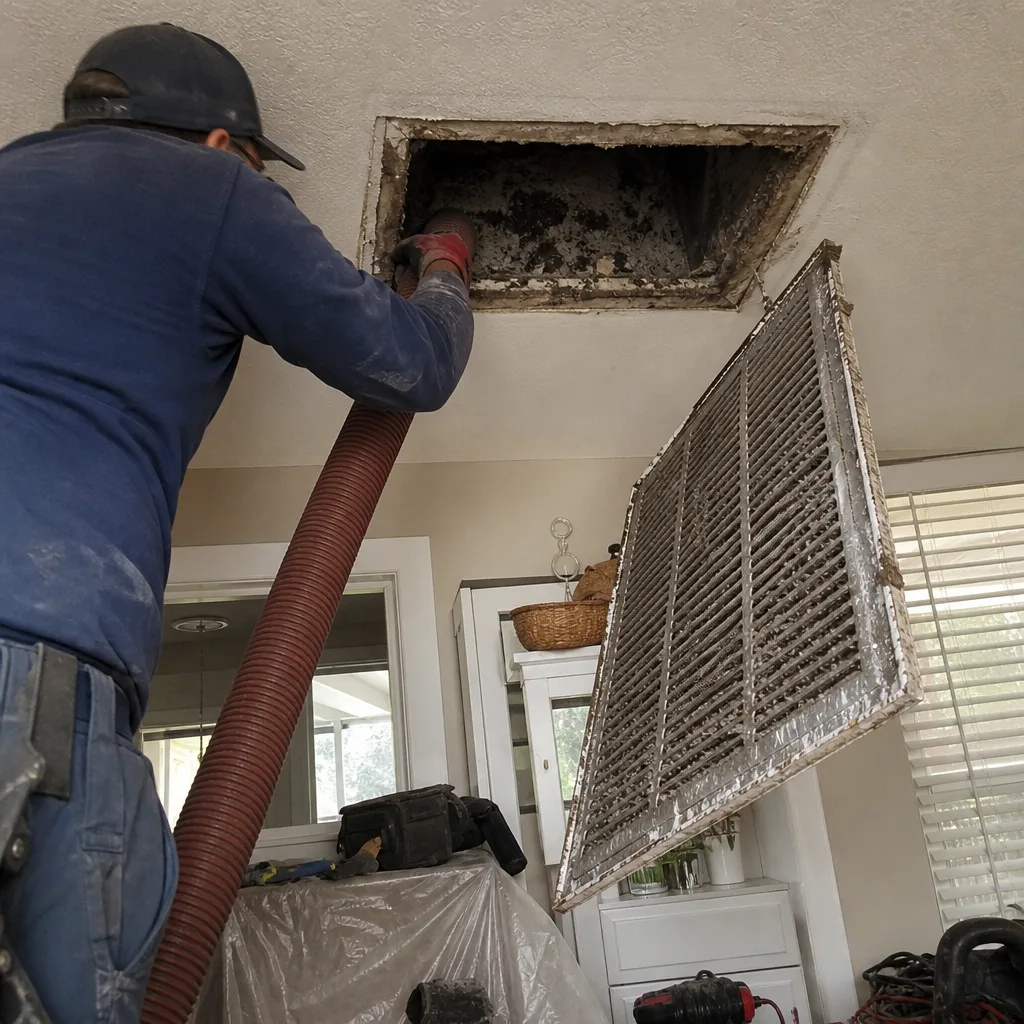 Before
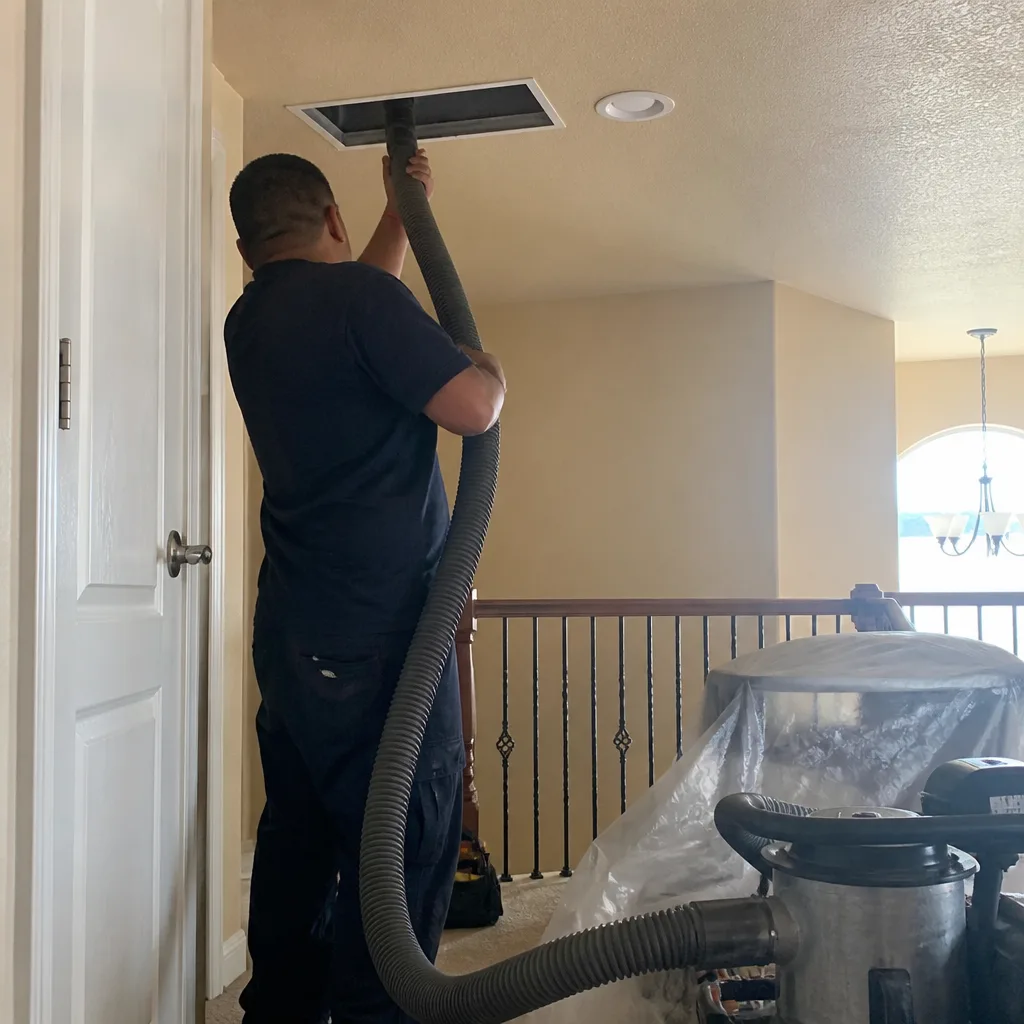 After
After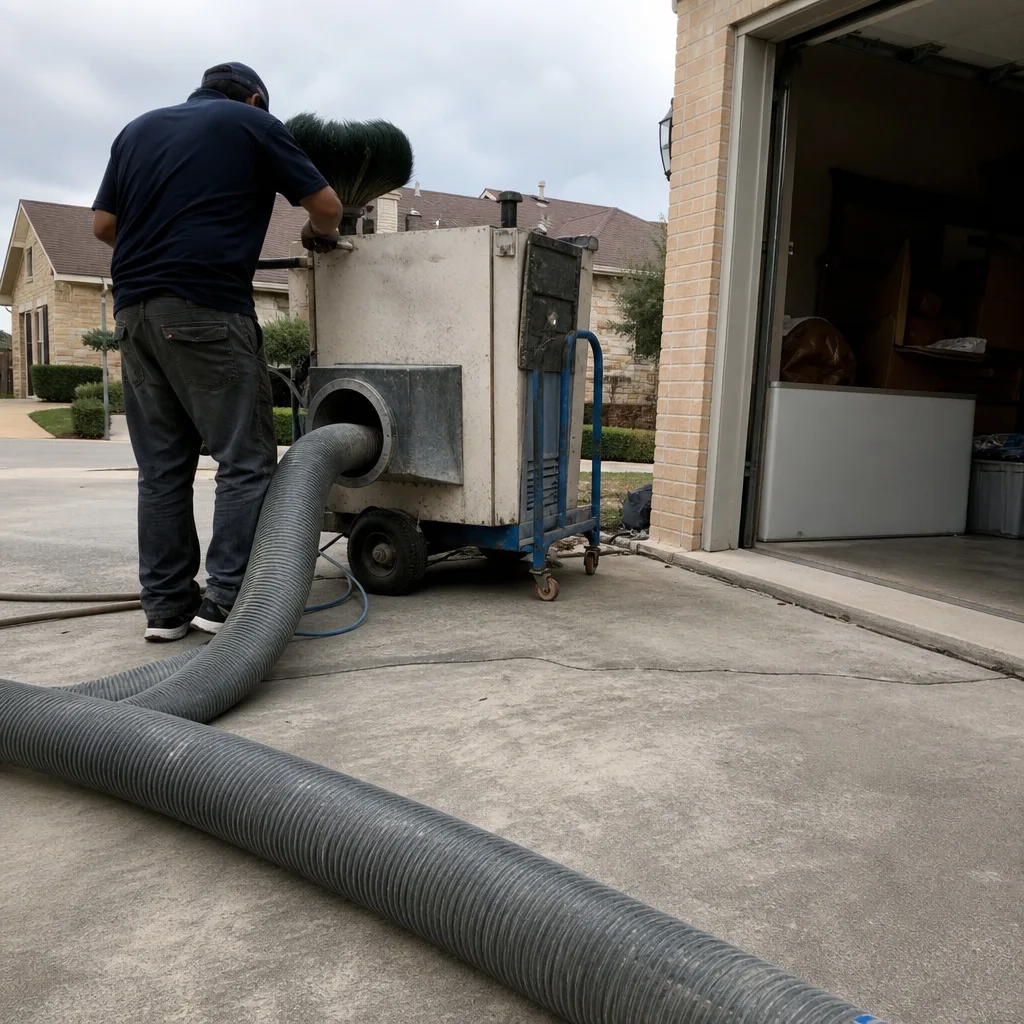 Before
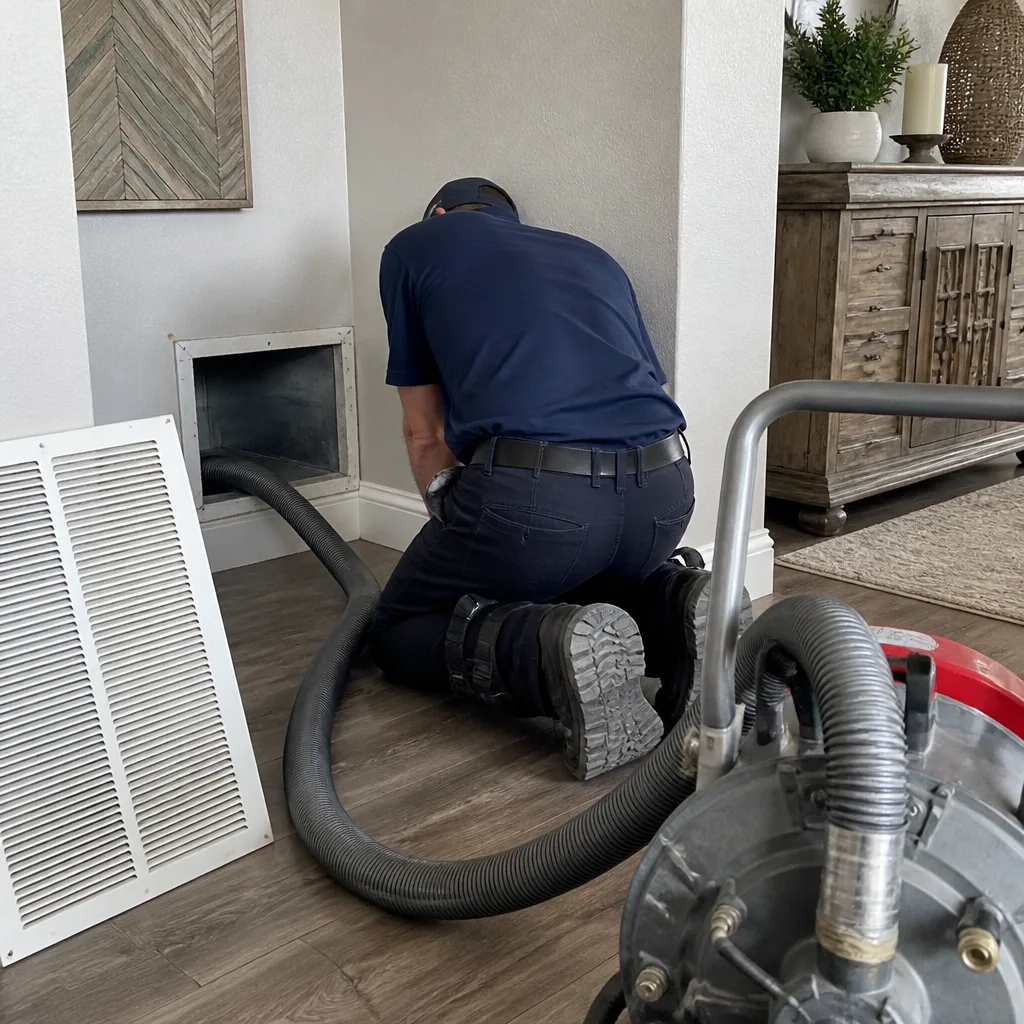 After
AfterGuardsman Vent Sanitizing: The Schertz Owner’s Guide
Guardsman vent sanitizing systems installed in Schertz homes typically run $340-$580 for a complete service, including inspection, application, and documentation of every treated duct run. We stock Guardsman-compatible sanitizing agents and application hardware for same-day service on most residential systems. Most Schertz owners first notice the issue when a musty or chemical odor persists after standard duct cleaning, or when a post-service air sample still shows elevated microbial counts.
CleanRun Air Duct Cleaning Schertz is an independent service provider, not affiliated with Guardsman or its parent company. We use Guardsman products because they publish their EPA registration numbers and concentration specifications openly, which lets us verify what we’re putting into a customer’s ductwork. Tomas Reyes, our owner, started seeing Guardsman units in Schertz around 2017, mostly in newer builds off Schertz Parkway and the Cibolo Valley Ranch area where builders spec’d them as part of package HVAC installs.
Which Guardsman Models This Applies To
Guardsman vent sanitizing isn’t a single part number. It’s a treatment protocol using Guardsman-brand antimicrobial agents, typically applied through a fogging or misting system that interfaces with your existing ductwork. The hardware we see in Schertz falls into two groups: the portable GFS-series fogging units (GFS-100, GFS-200) that technicians wheel from room to room, and the fixed-mount GDM-series injection modules that install at the plenum, the main distribution box where heated or cooled air first enters your duct network.
To identify what you have, check the label on the application hardware, not just the chemical bottle. The GFS units have a metal data plate near the power switch; GDM modules mount between the air handler and the first trunk line. Model numbers matter because GDM-200 modules require a 24-volt trigger wire from the blower control board, while GDM-100 units use a simpler pressure-switch activation. We’ve found aftermarket application wands that fit GFS housings but don’t maintain the 50-micron droplet size Guardsman specifies, which means the chemical settles in the first few feet of duct instead of reaching the registers, the vent covers in each room. For fixed-mount units, we source OEM replacement nozzles and solenoid valves; for portable units, we stock both OEM wands and a tested aftermarket equivalent from Nikro that matches the flow curve.
Signs Your Guardsman Vent Sanitizing Is Failing
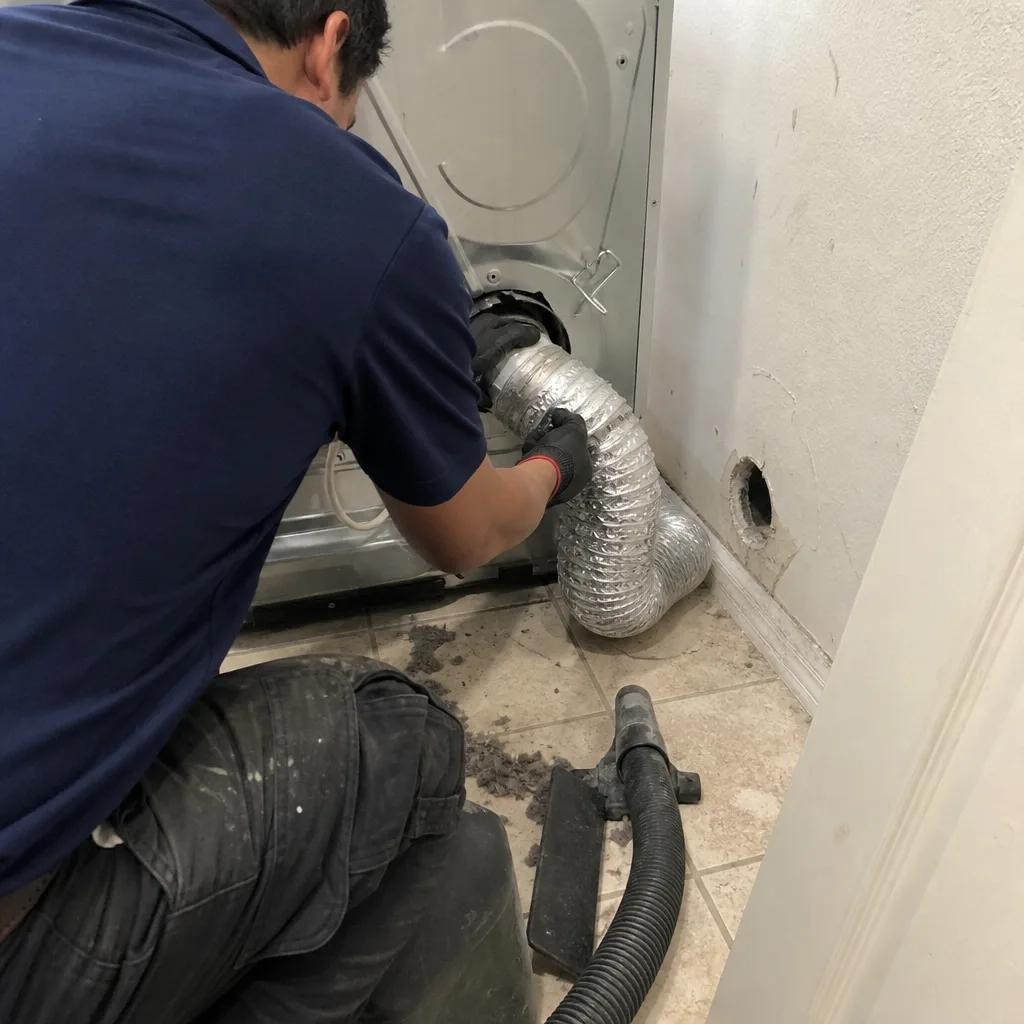
- Persistent musty odor after standard cleaning. The antimicrobial agent has degraded or was never applied at effective concentration. In Schertz, we see this most often in homes with crawl space duct runs where humidity stays above 60% for months, breaking down the active compound faster than the labeled 12-month efficacy window.
- Visible residue or crystalline buildup at registers. The fogger nozzle is producing droplets too large to remain airborne, so the chemical impacts the duct walls early and dries before reaching the vent. This usually means a worn nozzle or incorrect pressure setting on GFS-series units.
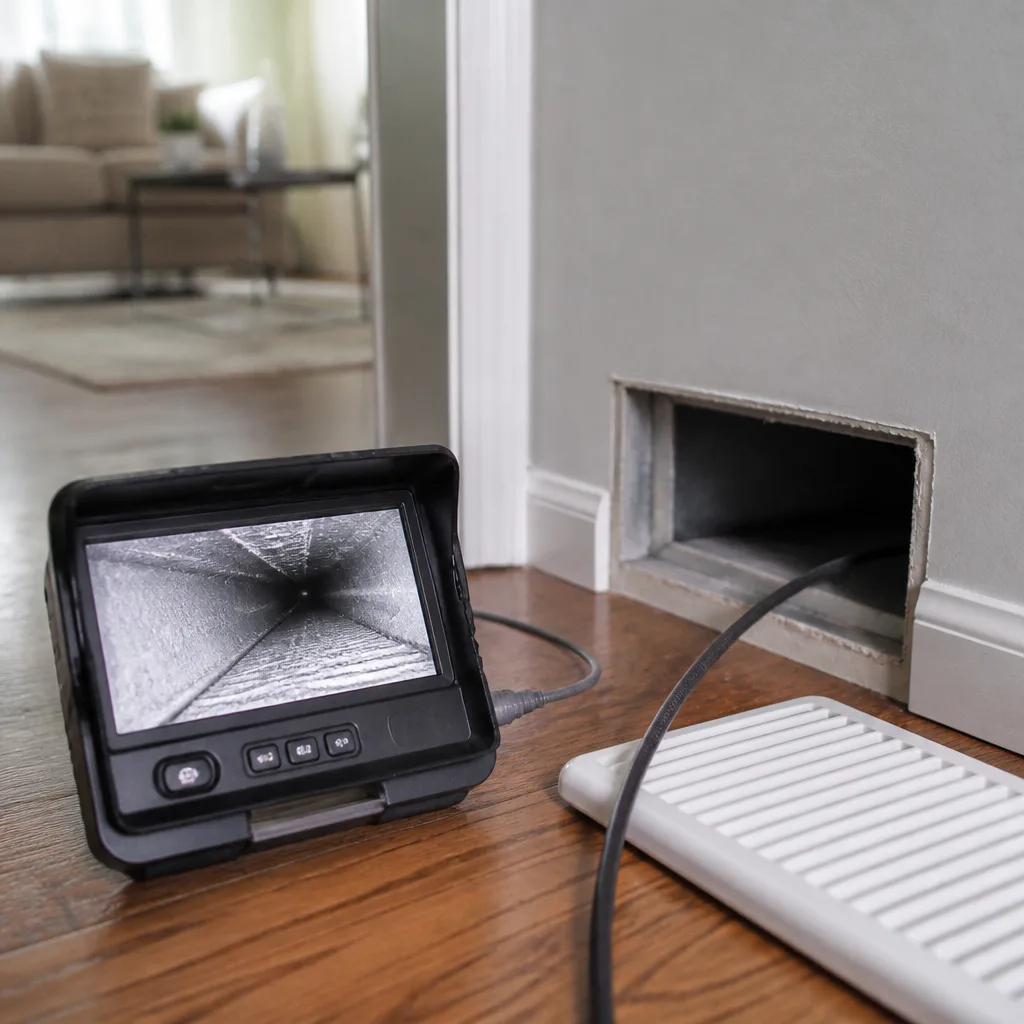
- Technician reports “treated” but no documentation of which runs received application. The GDM-200’s zone valve may be stuck closed on one or more trunk lines. We verify this with a borescope inspection, a camera threaded into the duct, before re-treating.
- New respiratory irritation after service. Over-concentration or use of non-Guardsman chemicals in compatible hardware. The EPA registration number on the bottle should match the label on your service record.
- No detectable chemical residue 30 days post-treatment. Normal degradation in Schertz’s heat and humidity is accelerated; the product may have been under-applied or the home’s air exchange rate is higher than the treatment protocol assumed.
BeforeAfterReplacement Cost & What’s Included
| Service | Price Range in Schertz | What’s Included |
|---|---|---|
| GFS-series portable fogging (full system) | $340-$450 | Inspection, application to all duct runs, before/after photo record, written efficacy note |
| GDM-series fixed-mount repair (nozzle/valve) | $180-$290 | Parts, labor, system test, photo verification of spray pattern |
| GDM-series full module replacement | $480-$580 | OEM or equivalent module, electrical connection, calibration, documentation |
| Standalone re-treatment (previously documented system) | $220-$320 | Fresh application, concentration verification, updated photo record |
What moves the price: accessibility of the plenum, whether the GDM module requires electrical modification, and how many duct runs the system serves. A single-story ranch in Schertz’s older neighborhoods near FM 3009 typically runs toward the lower end; two-story homes with zone dampers and extended trunk lines trend higher. Every price is written and agreed before work starts, Haven Standard Clause 1. The 365-Day Done Right Promise covers labor and materials; if the treatment fails to perform as documented, we re-service at no charge.
DIY or Call Us?
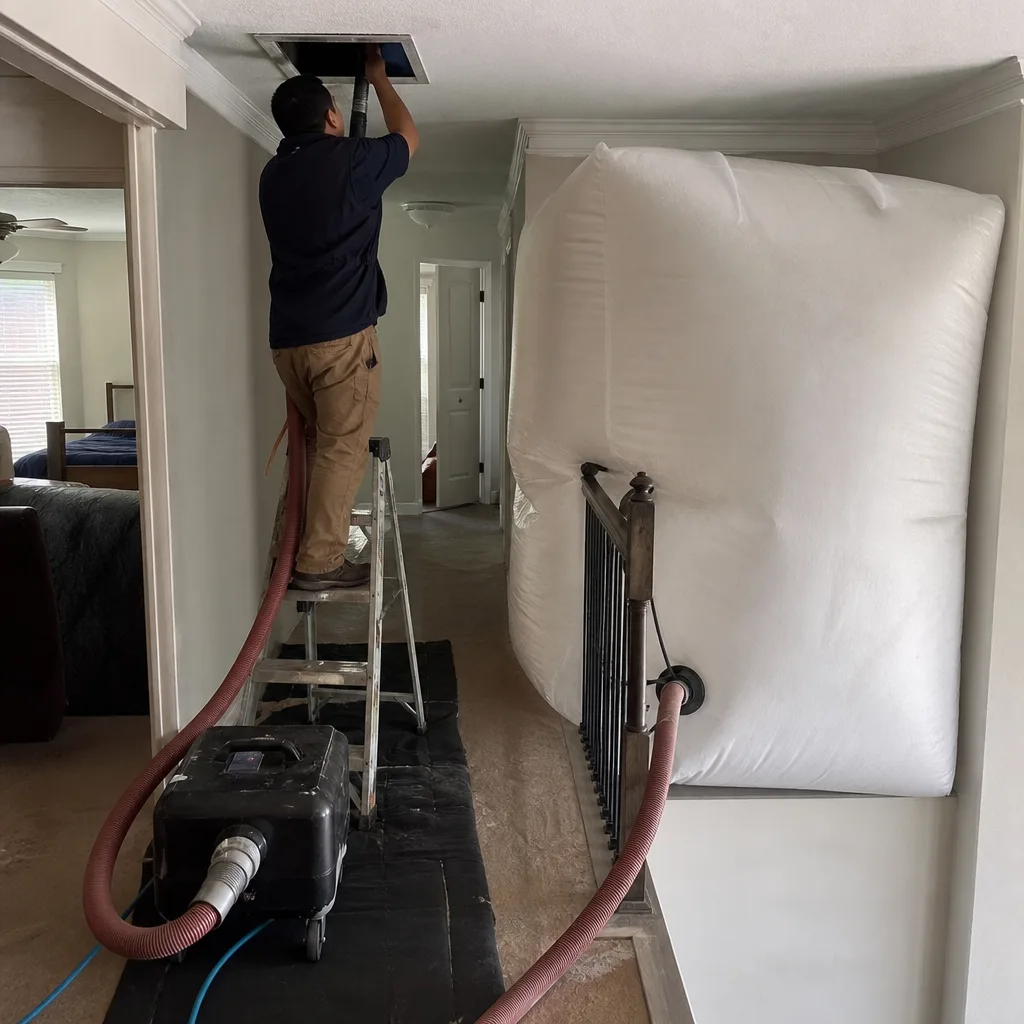
There’s no high-tension spring or live electrical panel here, but there is a genuine efficacy problem. Homeowners can buy Guardsman-branded or similar antimicrobial products online. What they typically can’t verify is concentration at the point of application, droplet size distribution, or whether the chemical reached the full length of each duct run. We’ve inspected Schertz homes where the owner fogged generously near the return air grille and never touched the supply branches on the opposite side of the house.
What you can safely check: the label on any existing hardware for model number, the date of last service, and whether your service record includes photos from inside the ducts. What goes wrong with DIY: over-application causing residue buildup, under-application leaving active contamination, and use of non-compatible chemicals that degrade rubber components in the HVAC system. If you want to know what actually needs treatment before spending anything, we’ll run a borescope and show you. The before photo does the talking. I just bring the camera.
Call (830) 402-5110 for a written estimate. Estimates are free, and we publish our license number on every proposal.
FAQs
In Schertz’s climate, effective protection typically runs 9-14 months, shorter than the 12-18 month range claimed on the label. Heat, humidity, and high air-handler runtime all accelerate breakdown. We schedule reminder contacts at 10 months and re-treat on customer request.
Often yes. Nozzle clogging and solenoid valve failure are the two most common issues, and both are replaceable components. We inspect first and quote repair separately from replacement so you can compare. Call (830) 402-5110 to schedule.
A standard residential application runs 2.5-4 hours, including setup, borescope documentation of every duct run, application, and post-treatment verification. GDM module repairs add 30-60 minutes for testing and calibration.
We stock GFS-series application hardware, GDM-100 and GDM-200 nozzles and solenoid valves, and EPA-registered Guardsman antimicrobial concentrate. For GDM module replacements, we verify your model number and bring the correct unit on the scheduled date.
Written by Tomas Reyes, Owner & Lead Technician, CleanRun Air Duct Cleaning Schertz at CleanRun Air Duct Cleaning Schertz, serving Schertz and nearby areas.