
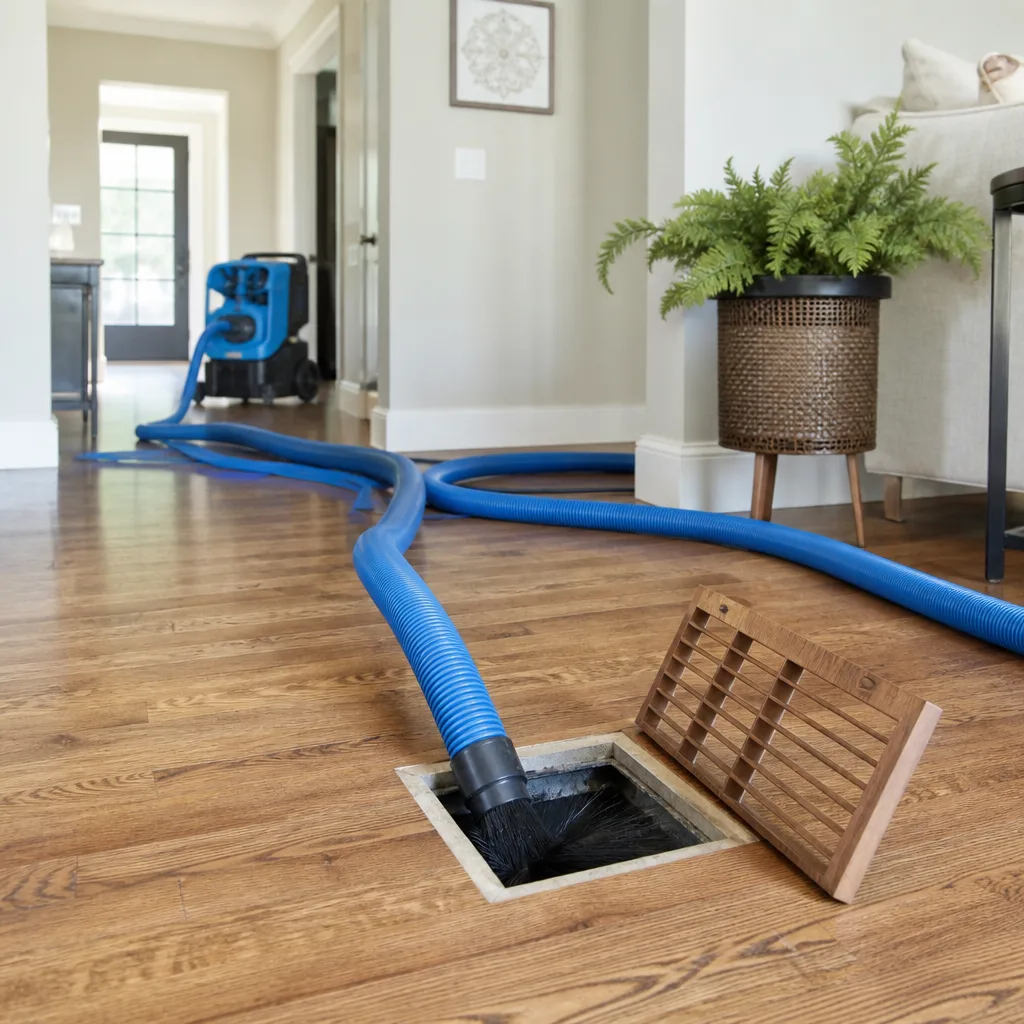
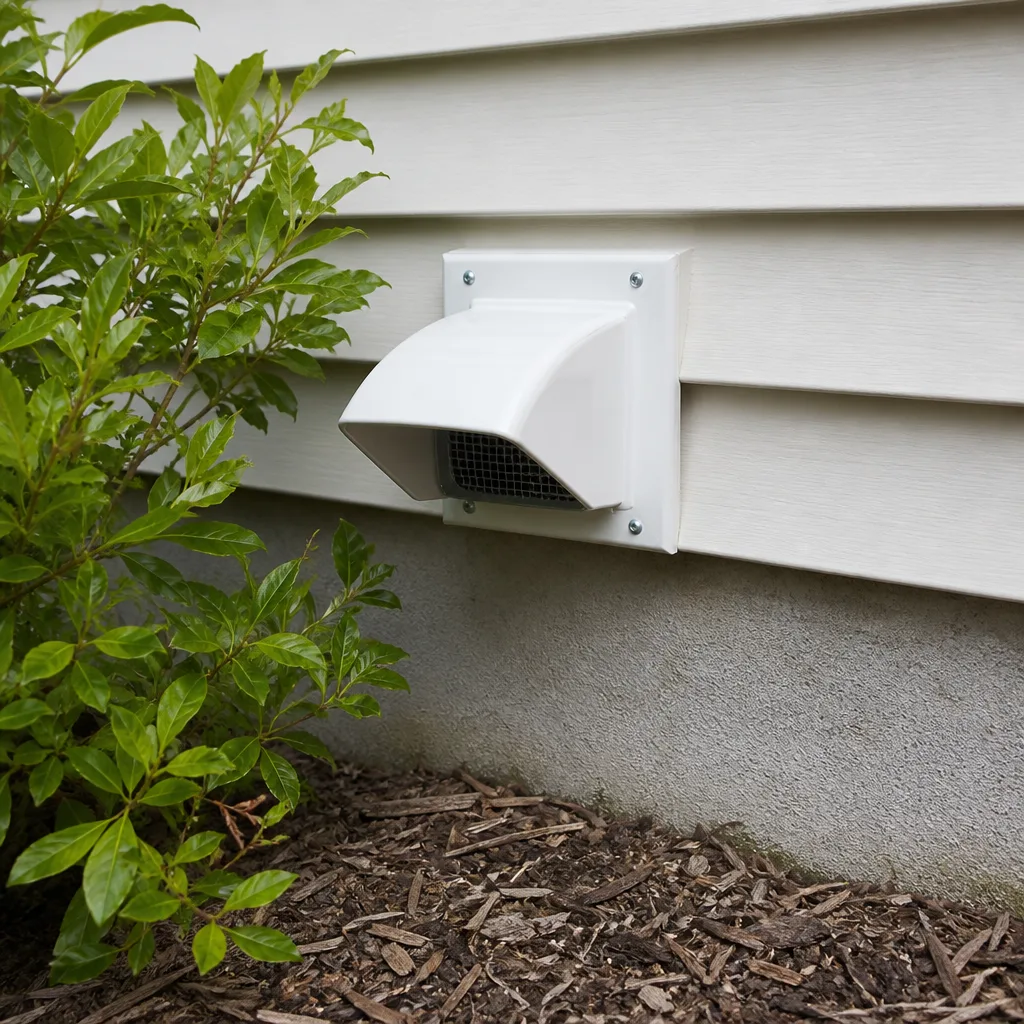
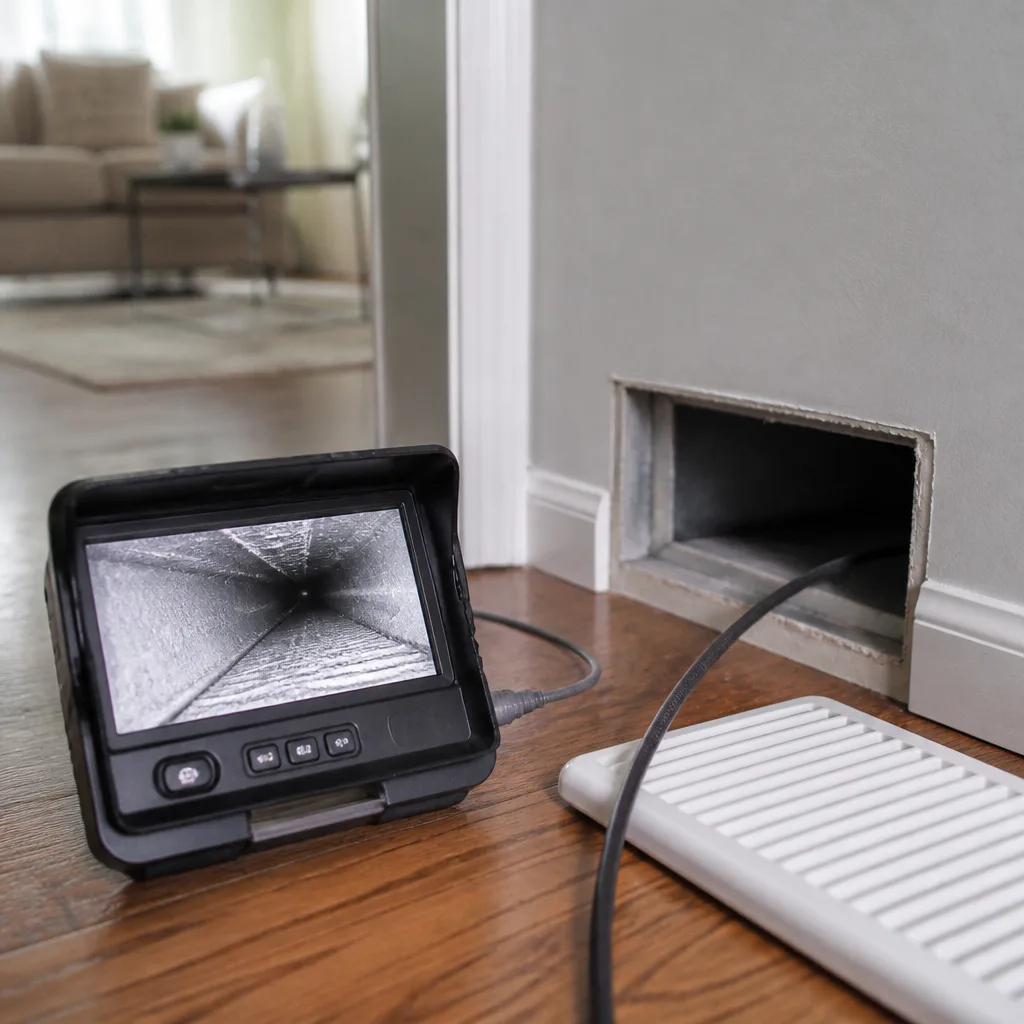
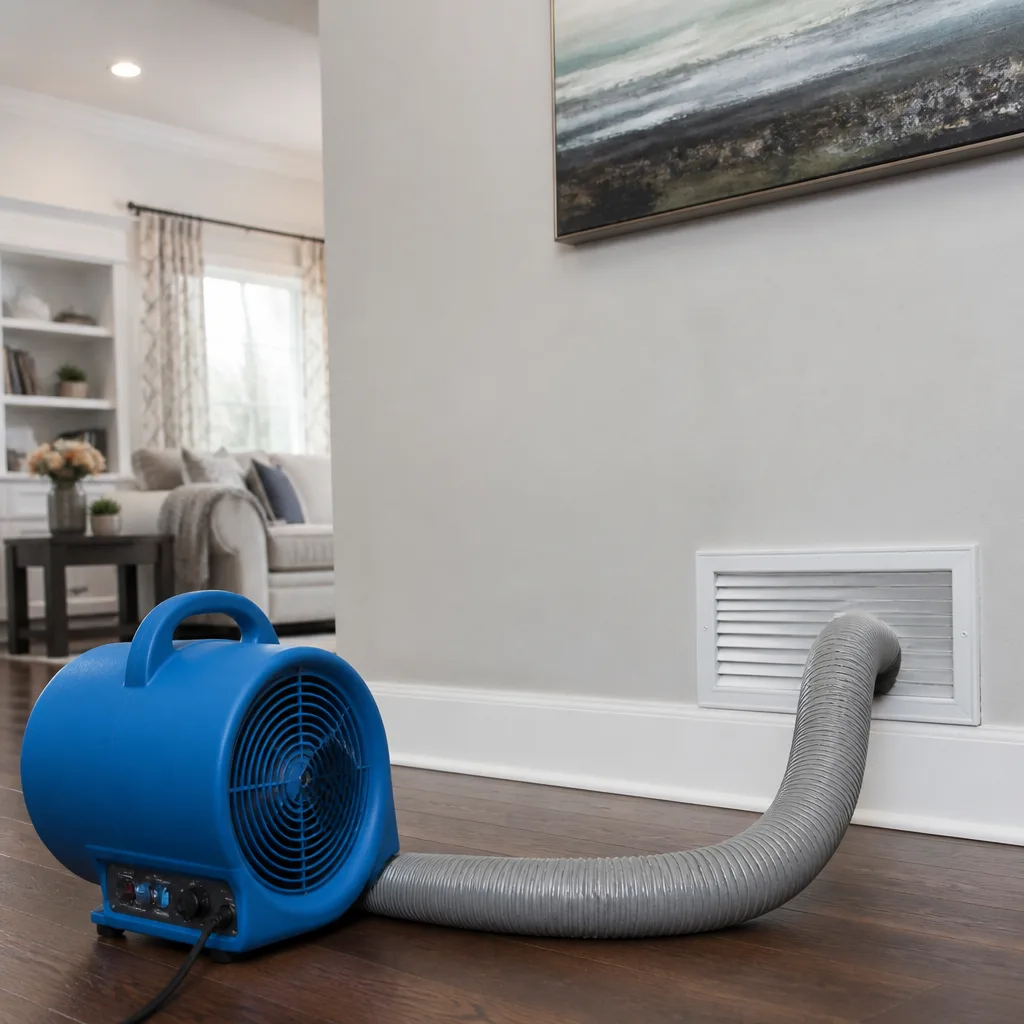
Whole-system duct and dryer vent check with before-and-after photos - you see exactly what came out of your vents
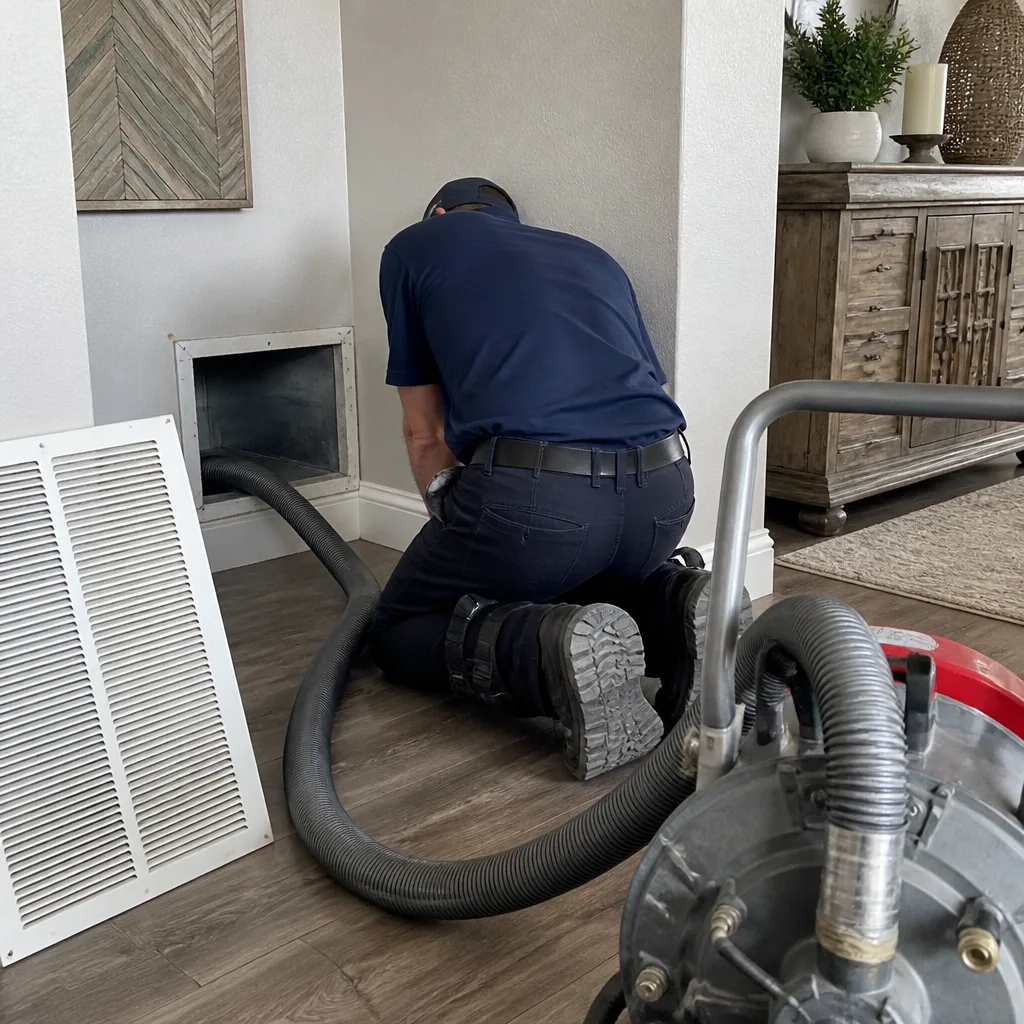
That "$99 whole-house special" is a bait ad - the real number appears once they are in your hallway, or the "clean" is a shop-vac at the register. We photograph the inside of your ducts before and after instead.
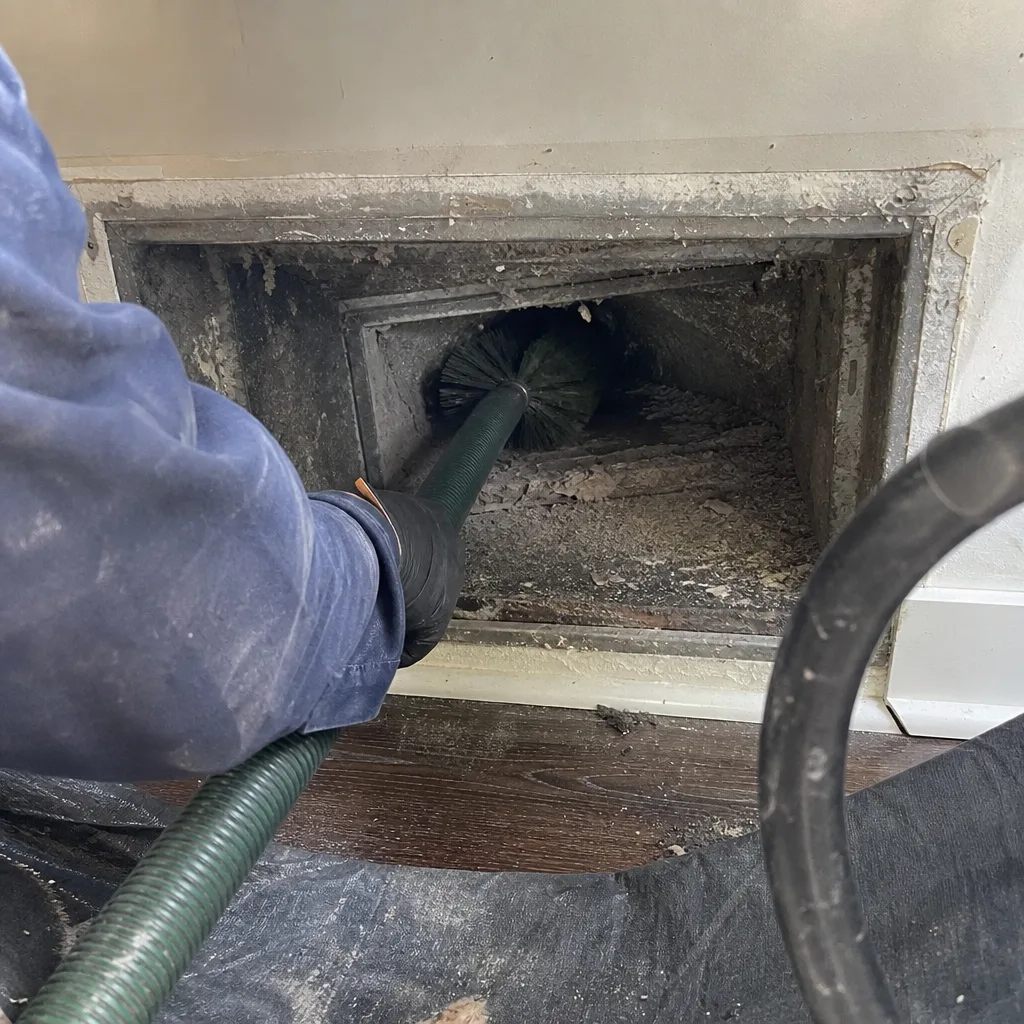 Before
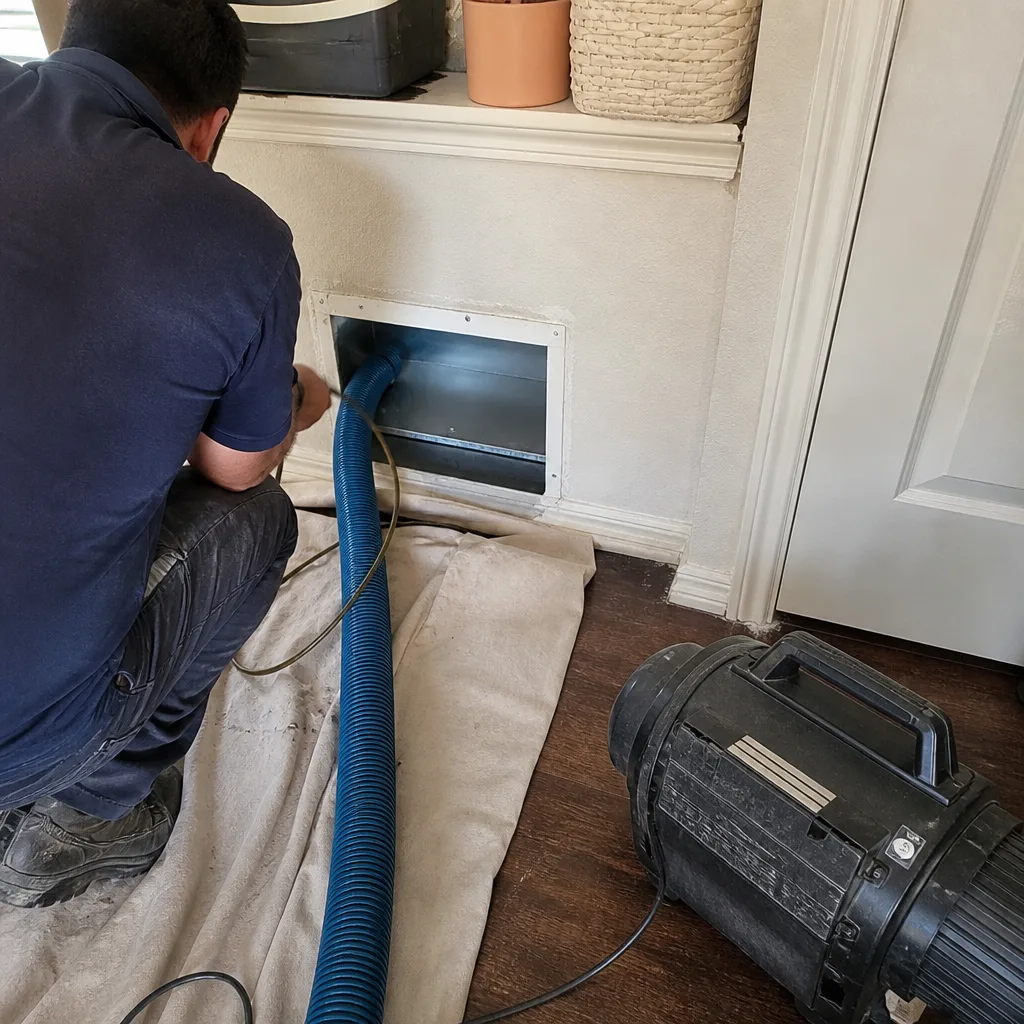 After
After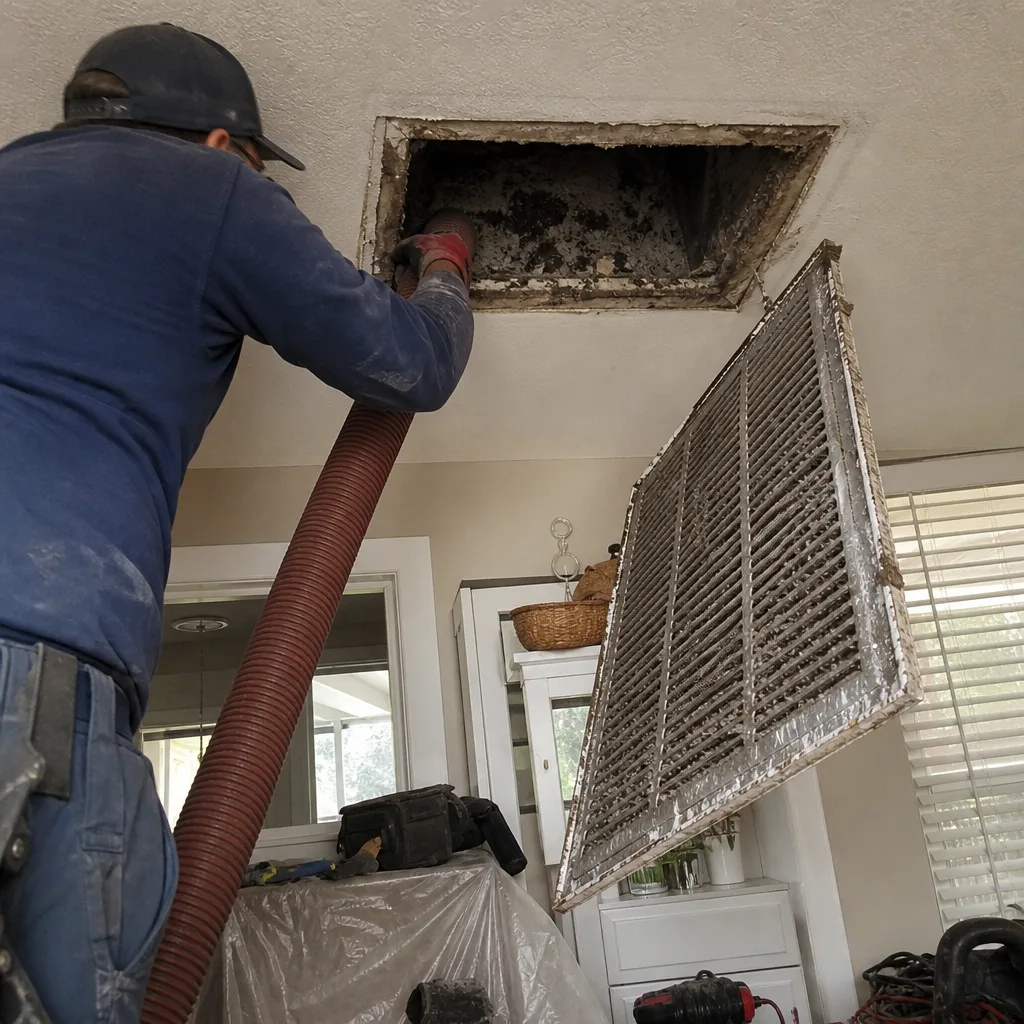 Before
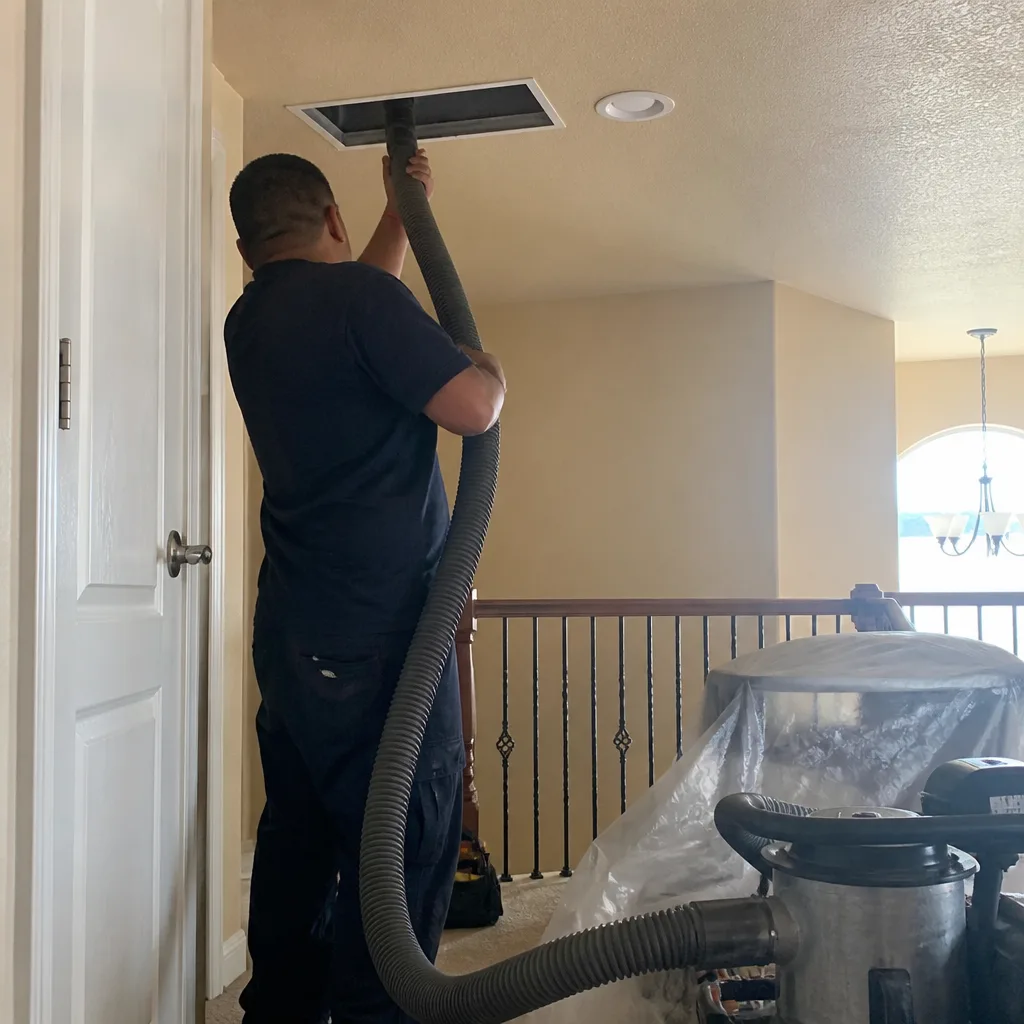 After
After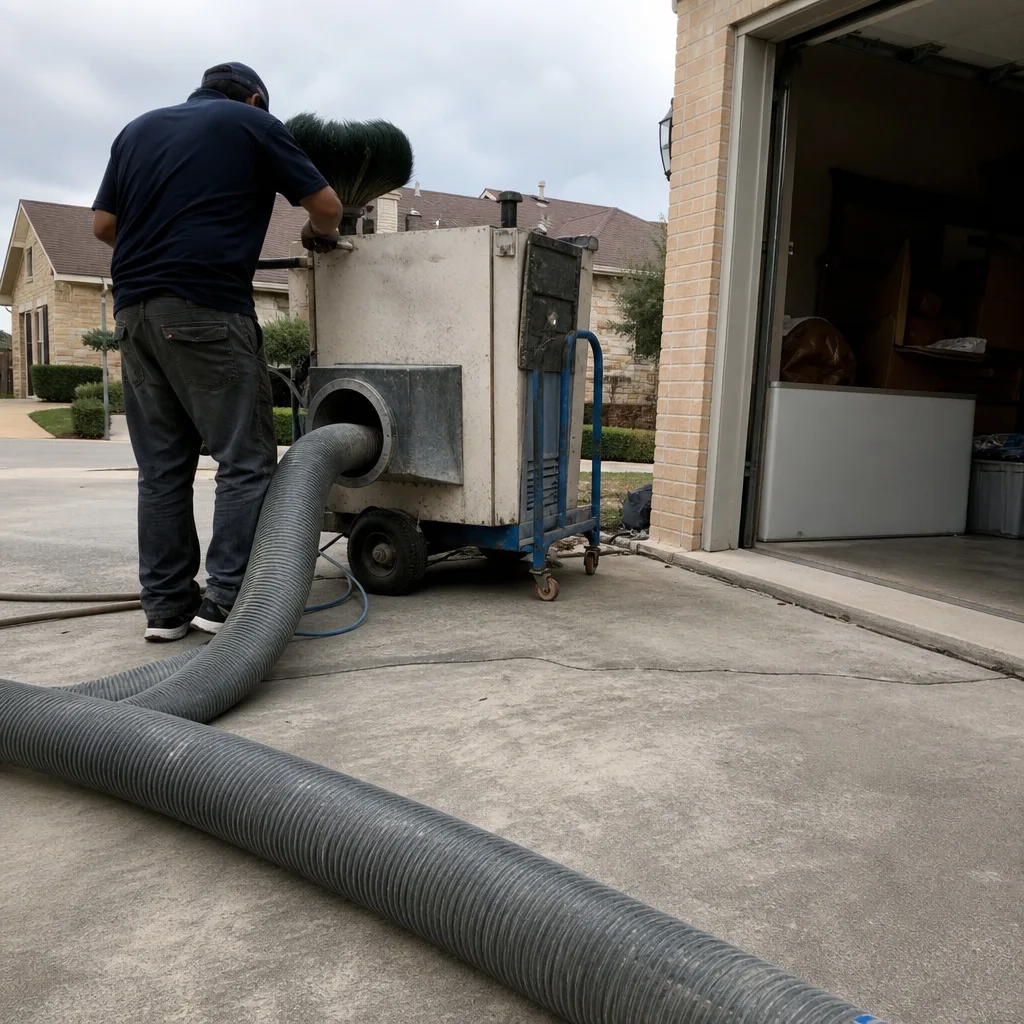 Before
 After
AfterHoneywell Vent Sanitizing: The Schertz Owner’s Guide
CleanRun stocks and installs Honeywell-compatible vent sanitizing systems for Schertz homes, with installed pricing typically running $340-$580 for whole-house application depending on system size and duct configuration. Most Honeywell UV100, UV200, and REME-HALO-compatible installs are completed in a single visit with the unit operational before we leave. We carry the full Honeywell ultraviolet and ionizing sanitizer line on our trucks, including the replacement lamp cartridges that most Schertz homeowners don’t realize are consumable items with a finite service life.
Most owners discover their Honeywell vent sanitizer has failed in one of two ways: either the indicator lamp on the unit goes dark (for UV models) or they notice the musty, post-rain smell returning to the supply air despite the HVAC running normally. In the older homes near Schertz’s original downtown grid, we regularly find original UV lamps still in place from 2016 or 2017 installs, burning electricity but producing negligible germicidal output once the 9,000-hour rated lifespan expires.
Which Honeywell Models This Applies To
Honeywell’s residential vent sanitizing falls into three series that we handle in Schertz: the UV100 single-lamp ultraviolet line (UV100A1059, UV100E3007), the UV200 dual-lamp commercial-duty units, and the REME-HALO and REME-HALO-LED ionizing systems that Honeywell distributes under its own branding. The compatibility gotcha we see most often involves the UV100E3007, which requires a 24-volt transformer tap that some older Schertz furnaces lack; the install then needs a step-down transformer added, which we stock and price in writing before starting.
To identify your unit, look for the silver data plate on the lamp housing or the transformer box. The part number, lamp wattage (typically 16W or 18W for residential), and voltage requirement are all listed there. For the REME series, the LED indicator version and the original mercury-vapor lamp version use completely different replacement cartridges that are not interchangeable despite identical housing dimensions.
On OEM versus aftermarket: Honeywell does not manufacture UV lamps in-house; they source from American Ultraviolet and Atlantic UV. We stock both the Honeywell-branded cartridges and the direct-source equivalents, and we’ll show you both options in writing with the same 365-Day Done Right Promise covering either. The OEM cartridge typically runs 15-20% higher; the aftermarket equivalent meets the same 253.7 nanometer UV-C output spec and carries identical warranty terms through us.
Signs Your Honeywell Vent Sanitizing Is Failing
- The indicator lamp is dark or flickering. UV-C lamps degrade silently; the glass tube may still glow faintly purple while producing almost no germicidal output. We measure actual UV intensity with a radiometer during service calls in Schertz, and we’ve documented lamps glowing visibly while delivering less than 30% of rated micro-watt output.
- Musty or sour odors return to supply air. This means the sanitizer is no longer suppressing microbial growth on the evaporator coil or in the plenum. In Schertz’s humid spring months, we see this complaint spike when failed UV lamps allow mold colonies to reestablish on wet coils within 48 hours of the lamp expiring.
- Visible corrosion or white powder on the lamp contacts. The high-voltage connection points oxidize over time, especially in homes with whole-home humidifiers. We replace the ceramic socket assembly when this appears; running a degraded lamp with poor contact risks transformer failure.
- The lamp cycles on and off with the blower, but never stays lit continuously. Honeywell’s newer units have a “smart” mode that should keep the lamp active for a post-cycle sterilization period. If it shuts down immediately with the blower, the control board or the lamp ballast is failing.
- Increased allergy symptoms despite unchanged filters. When the sanitizer stops working, biofilm on the coil becomes an active allergen source. We document this with borescope photos showing the difference between a coil under active UV and one with an expired lamp.
BeforeAfterReplacement Cost & What’s Included
| Service | Price Range | What’s Included |
|---|---|---|
| Honeywell UV lamp cartridge replacement (single) | $180-$260 | Cartridge, socket inspection, radiometer verification of output, photo record |
| Dual-lamp UV200 service | $280-$380 | Both cartridges, ballast test, transformer load check, photo record |
| REME-HALO-LED cartridge swap | $340-$480 | LED cell replacement, ion output test, housing seal inspection, photo record |
| New unit install (no existing sanitizer) | $480-$780 | Unit, mounting, electrical tie-in, 24V verification, full photo record, written scope |
What drives the range: duct material (flex duct requires different mounting hardware than sheet metal), electrical accessibility, and whether the furnace control board has a spare 24V terminal or needs a transformer upgrade. Every price is written and signed before work starts under Haven Standard Clause 1. The lamp cartridge itself carries a 1-year manufacturer defect warranty; our installation labor and output verification are covered by the 365-Day Done Right Promise.
DIY or Call Us?
What you can safely check yourself: confirm the lamp is seated fully in its socket, verify the unit’s breaker or fuse hasn’t tripped, and look for the indicator light status. These three checks take five minutes and require no tools beyond a flashlight.
Where DIY goes wrong: UV-C lamps operate at high voltage (typically 800-1,000 volts across the lamp) and the capacitors in the ballast retain charge after power-down. We’ve seen homeowners receive significant shocks attempting cartridge swaps without discharging the ballast. Additionally, without a radiometer, there’s no way to verify the new lamp is actually producing germicidal output; a visual “purple glow” check misses roughly 40% of underperforming lamps we find in Schertz homes.
The before photo does the talking. I just bring the camera. If your Honeywell unit’s lamp is expired, we’ll show you the radiometer reading, quote the replacement in writing, and have it verified and documented before we leave. Call (830) 402-5110.
FAQs
The rated lifespan is 9,000 hours, which translates to roughly 12 months of continuous operation. In practice, Schertz’s hard water and mineral content in supply air can degrade the quartz sleeve faster; we recommend annual replacement and verify output with a radiometer at each visit. Call (830) 402-5110 to schedule a lamp check - estimates are free.
The lamp cartridge is a consumable; once the filament degrades, replacement is the only option. Ballasts and transformers can sometimes be repaired, but at current component costs, full replacement of the electronics module is usually more reliable and only marginally more expensive. We’ll show you both numbers in writing before you decide. Call (830) 402-5110 for an exact quote - estimates are free.
A straightforward lamp cartridge replacement takes 45-60 minutes including output verification and photo documentation. A full unit install in a system without existing sanitizer infrastructure runs 2.5-4 hours depending on electrical routing and duct access. We schedule morning or afternoon blocks and confirm arrival time the day before. Call (830) 402-5110 to book - estimates are free.
Yes. We carry UV100 and UV200 lamp cartridges, REME-HALO and REME-HALO-LED replacement cells, ceramic sockets, and 24V transformers on every service vehicle. For less common Honeywell commercial units, we can source within 24 hours through our supplier. We also stock Lennox, Trane, and Carrier sanitizing components for mixed-system homes. Call (830) 402-5110 - if we don’t have it on the truck, we’ll tell you exactly when we will.
CleanRun Duct Repair & Cleaning is independently owned and operated under the Haven Standard. We are not affiliated with Honeywell International Inc.; we service Honeywell equipment using manufacturer-specified parts and procedures.
Written by Tomas Reyes, Owner & Lead Technician, CleanRun Air Duct Cleaning Schertz at CleanRun Air Duct Cleaning Schertz, serving Schertz and nearby areas.