
Whole-system duct and dryer vent check with before-and-after photos - you see exactly what came out of your vents
That "$99 whole-house special" is a bait ad - the real number appears once they are in your hallway, or the "clean" is a shop-vac at the register. We photograph the inside of your ducts before and after instead.
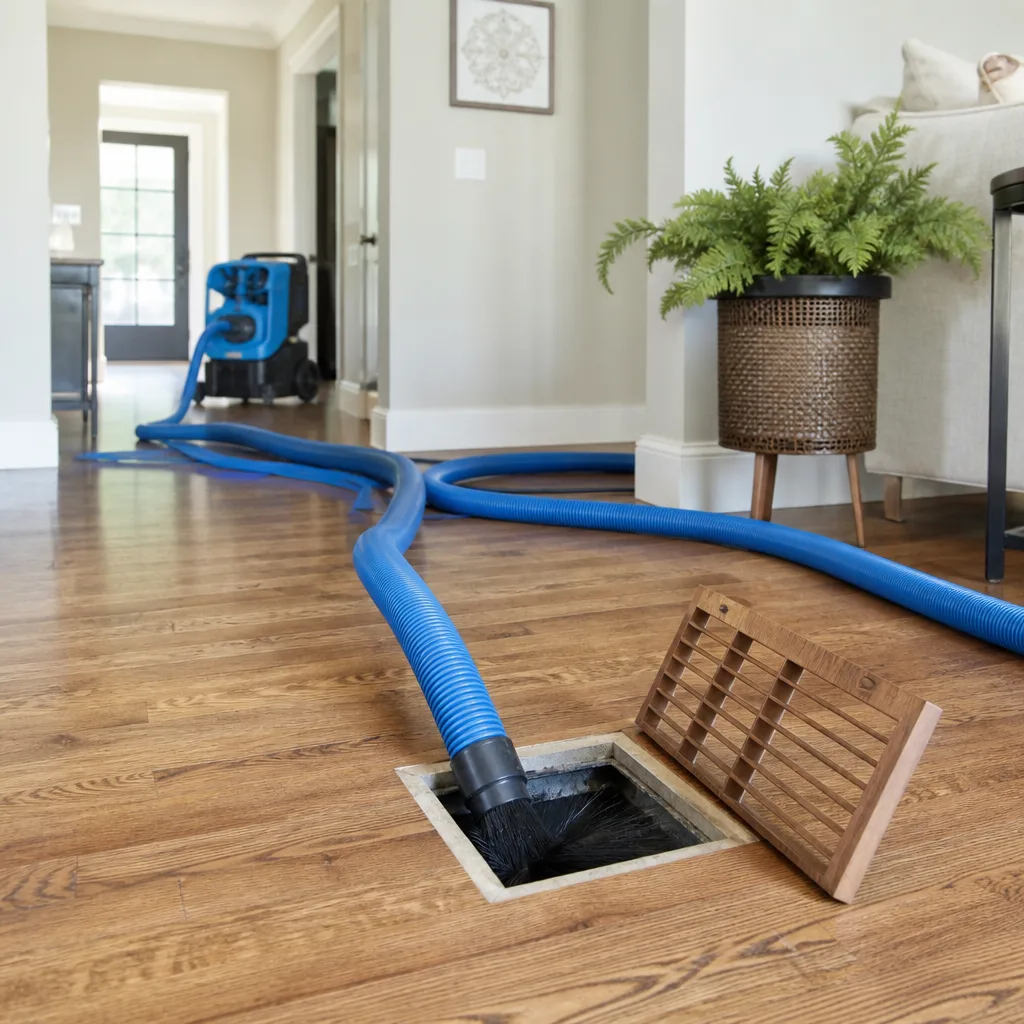
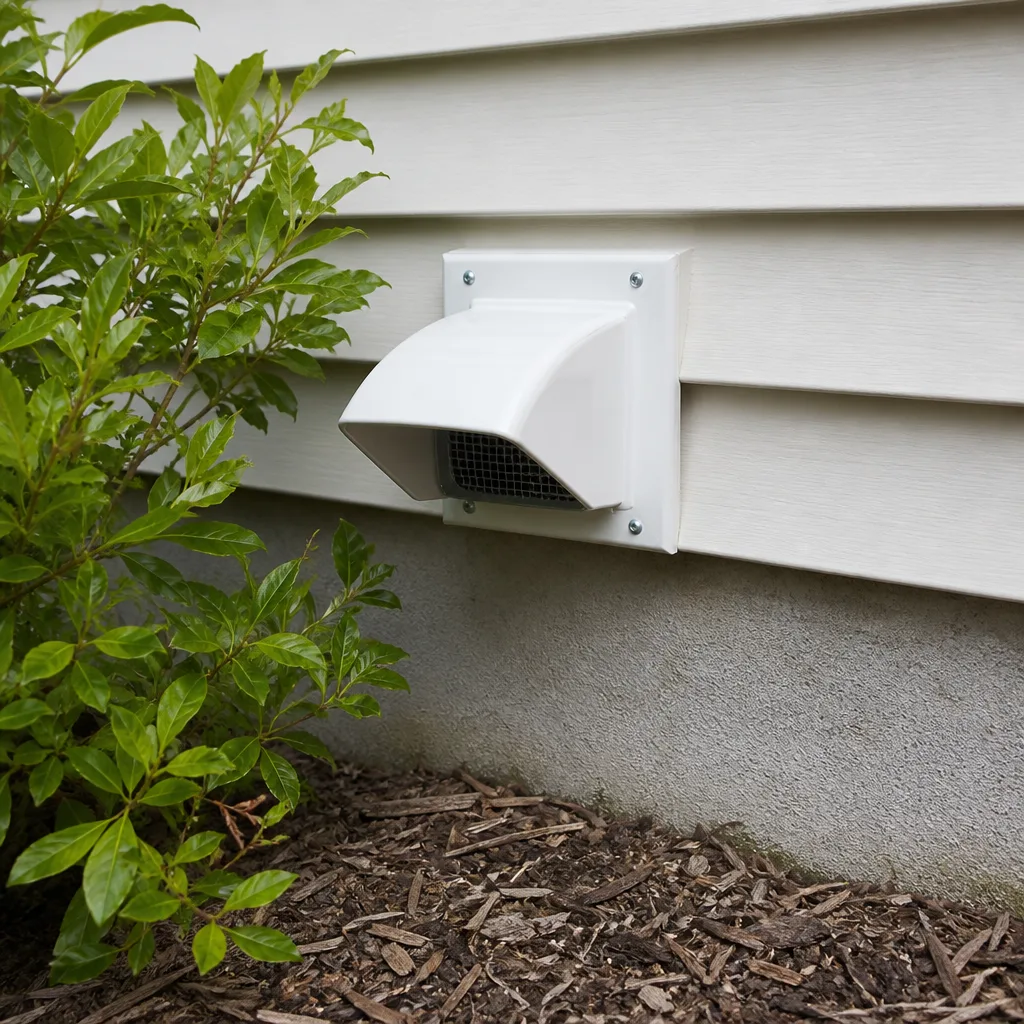
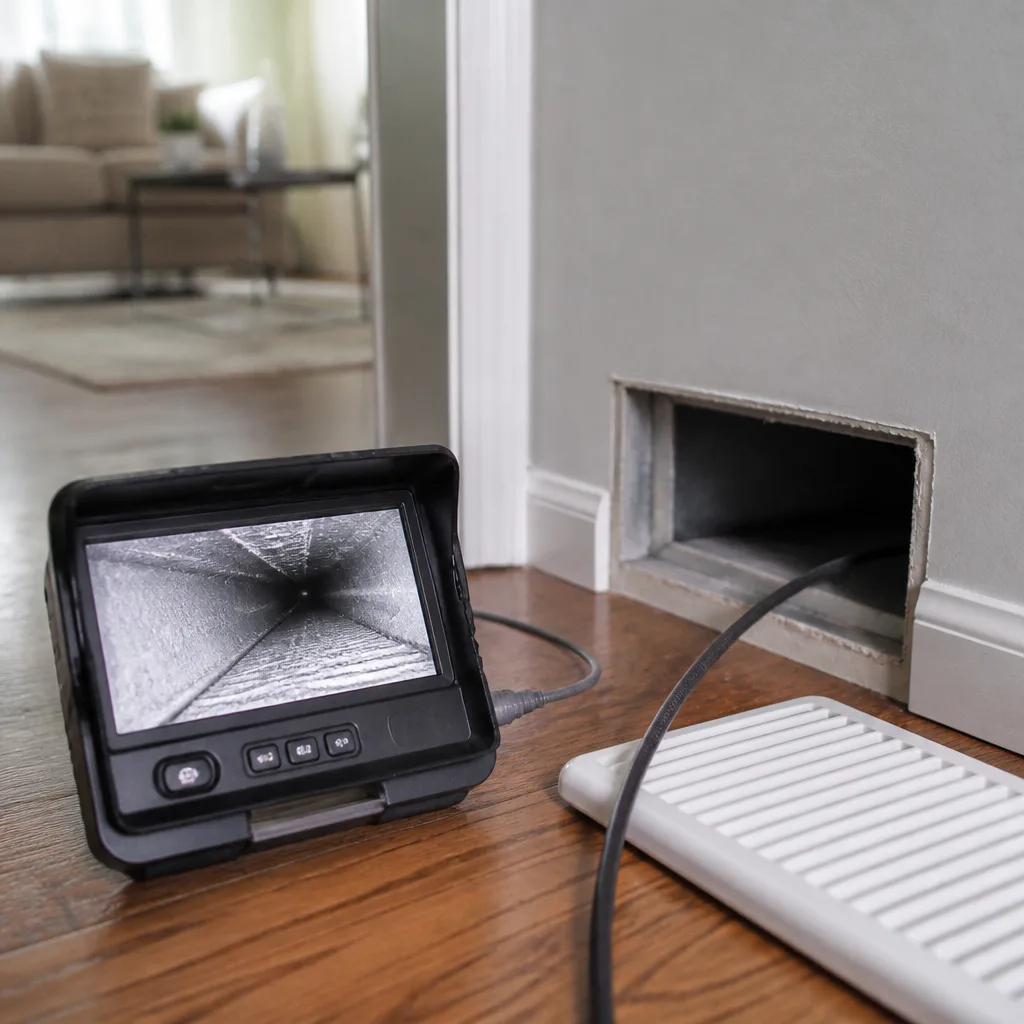
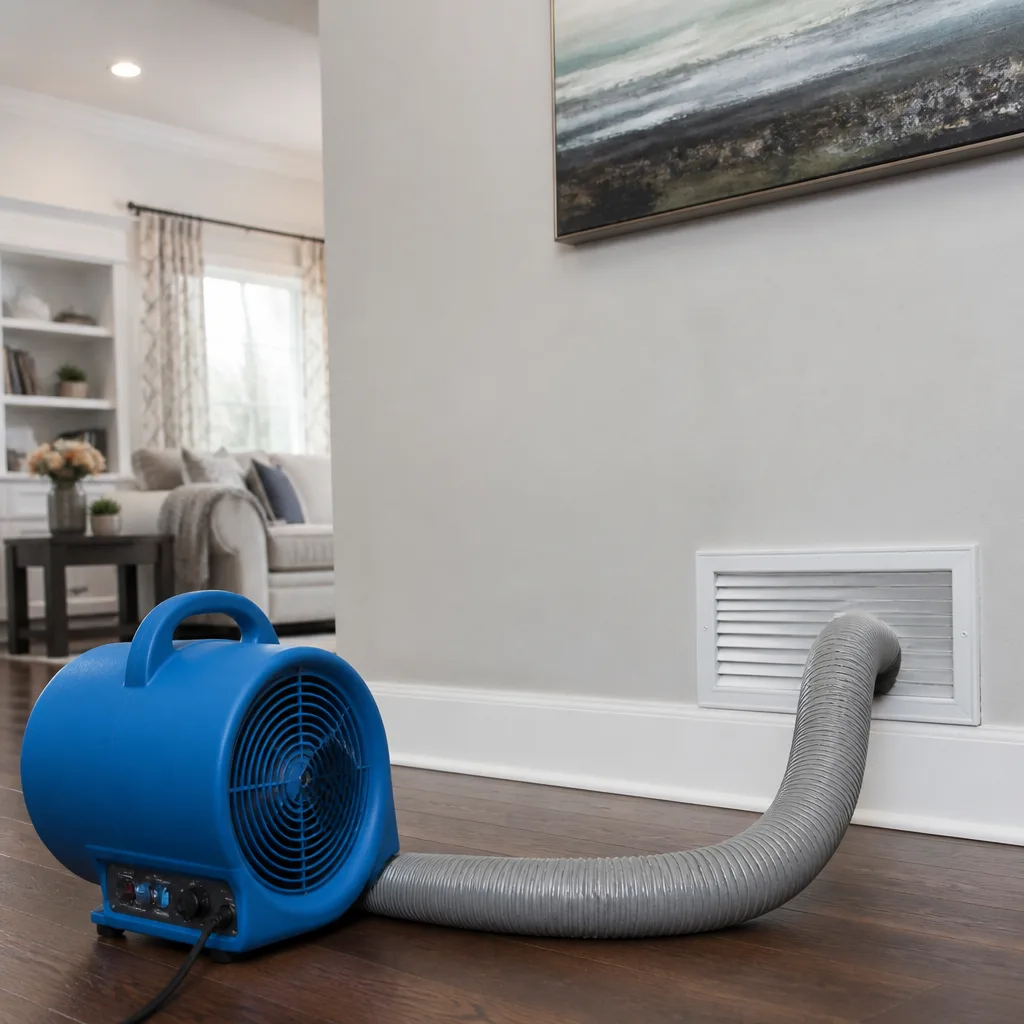
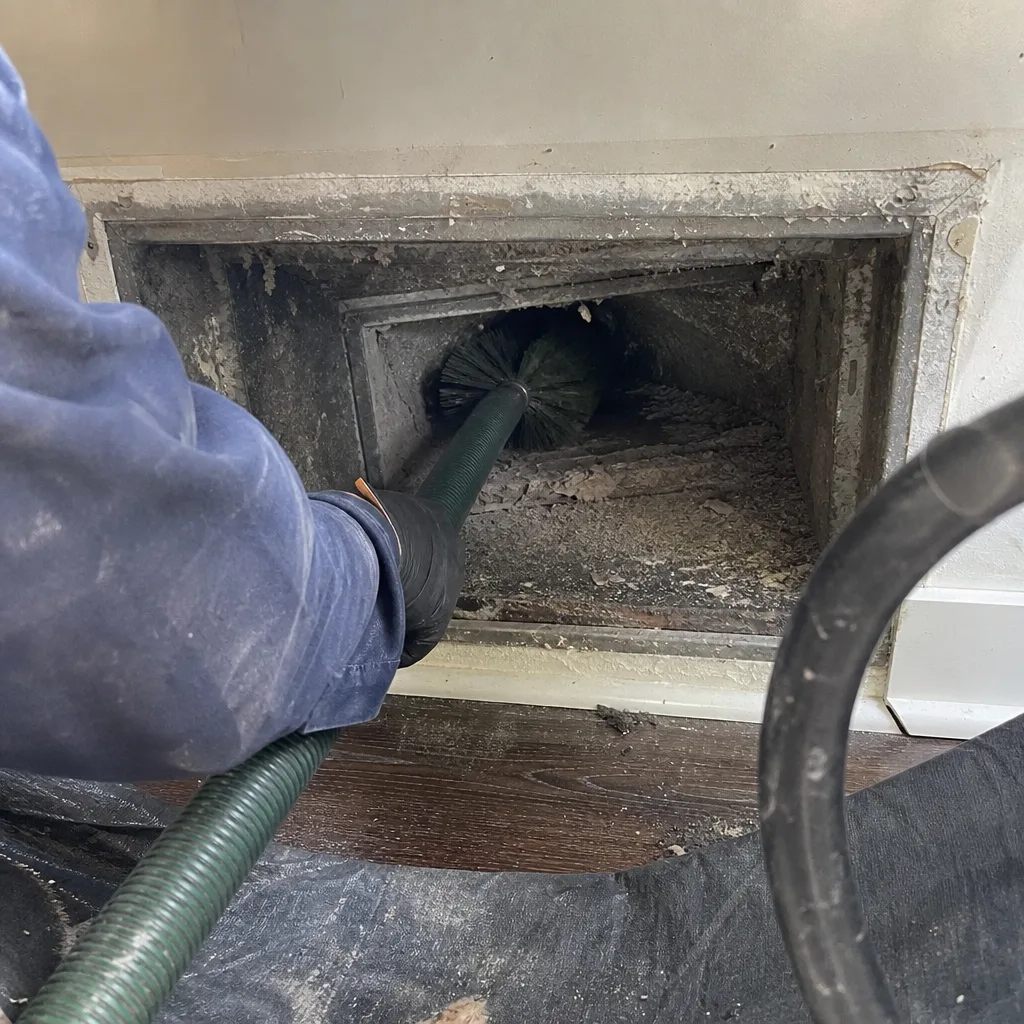 Before
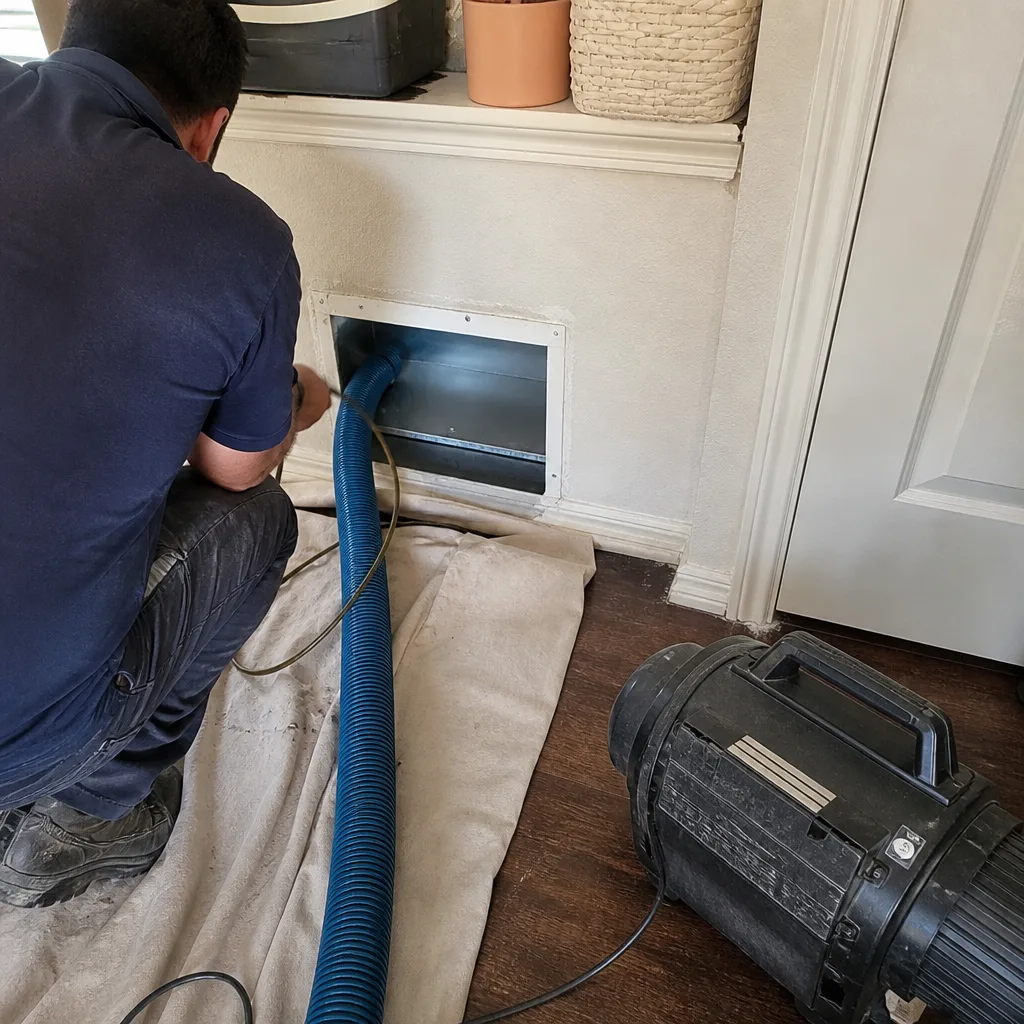 After
After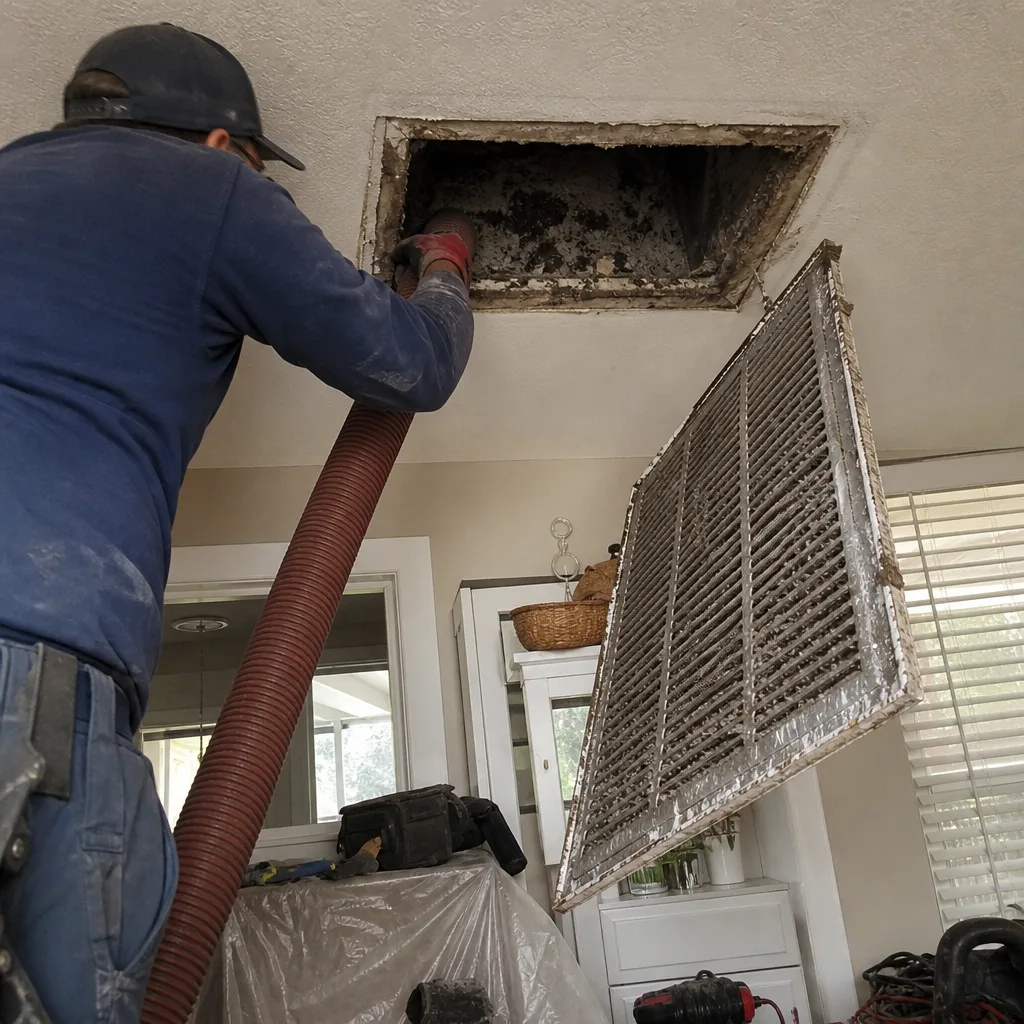 Before
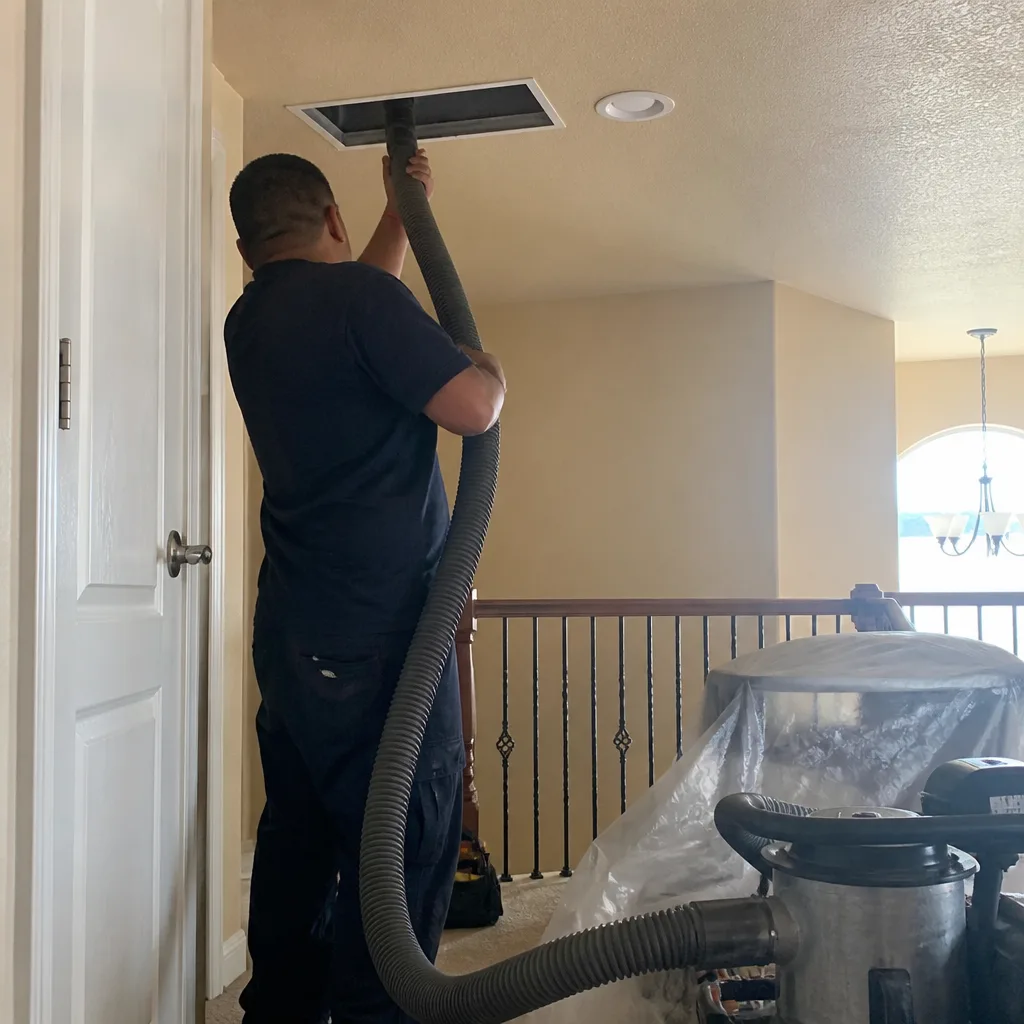 After
After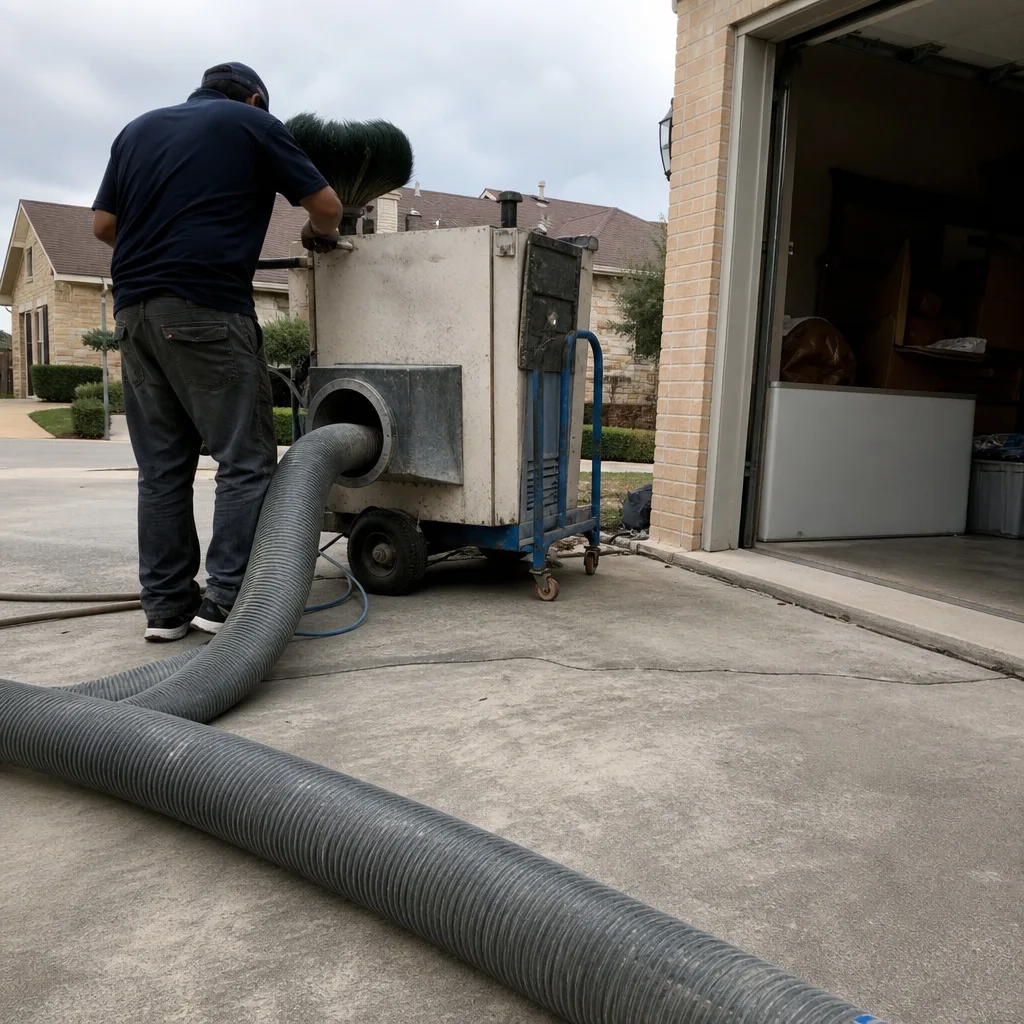 Before
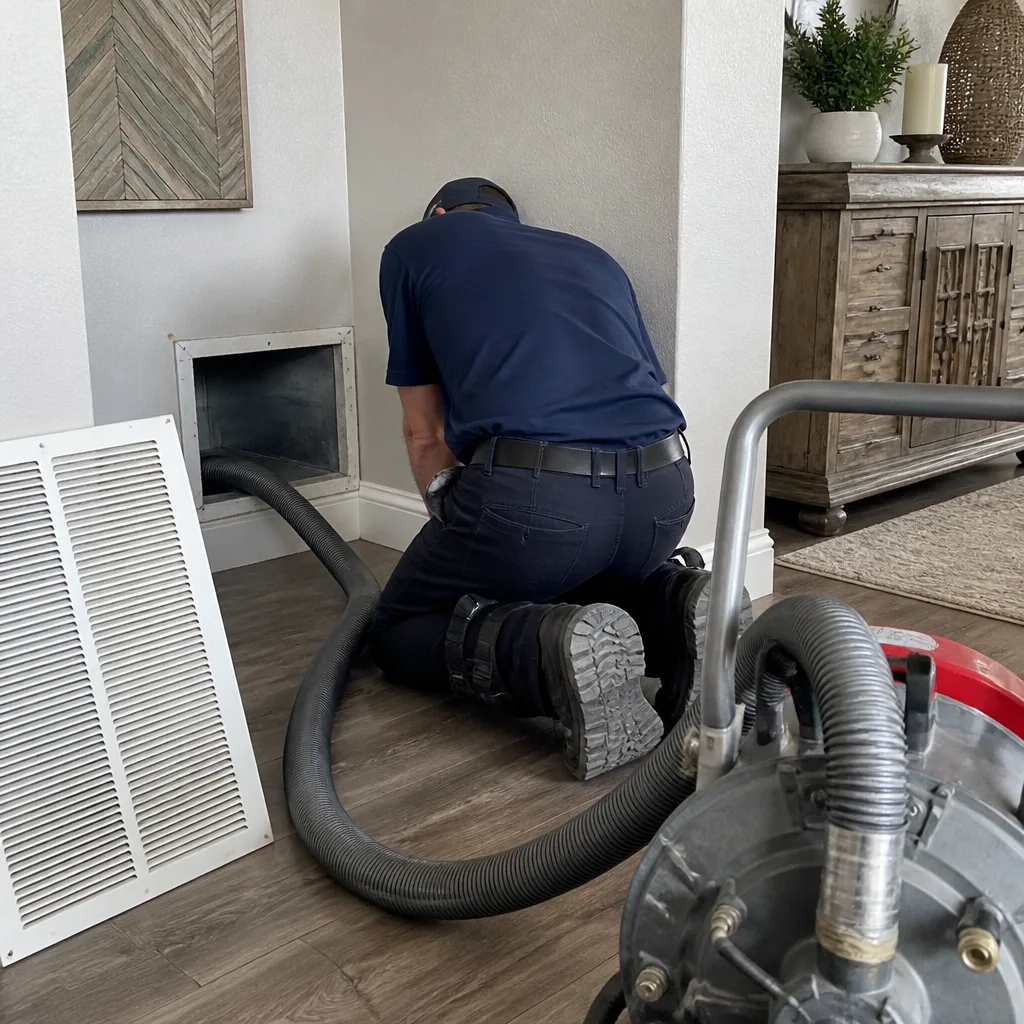 After
AfterRotobrush Register & Grille Cleaning: The Schertz Owner’s Guide
Rotobrush register and grille cleaning in Schertz typically runs $180-$340 for a full residential system, and we stock the compatible brushes, extension whips, and vacuum adapters on every truck. Most jobs are completed in a single visit because the components are standard across the Rotobrush Classic, BrushBeast, and aiR+ series lines. Homeowners usually figure out something’s wrong when the vacuum head won’t seat flush against ceiling registers or when the brush stalls against built-up debris that the original factory brush head can no longer agitate loose.
Which Rotobrush Models This Applies To
The register and grille cleaning setup for Rotobrush systems breaks down into three component families: the brush head assembly, the extension whip kit, and the vacuum adapter plate that seals against the register face. If your machine was manufactured after 2012, you’re almost certainly running a 2.5-inch quick-connect collar; pre-2012 units used a threaded 2-inch collar that Rotobrush phased out due to cross-threading failures in the field. The BrushBeast and aiR+ series share the same collar geometry, but the BrushBeast ships with a stiffer bristle compound rated for commercial registers with baked-on grease. The Classic line uses a softer polypropylene bristle that’s fine for standard residential grilles but will deform if you run it against a kitchen register coated in cooking oil residue.
We carry both OEM Rotobrush brush heads and aftermarket equivalents from Nikro and Abatement Technologies. The OEM brush runs about 15% higher on parts cost, but the bristle density is consistent batch to batch. Aftermarket heads from Guardsman fit the same collar and perform identically in residential use; where they diverge is in the retaining pin geometry, which can wear faster if you’re pulling the head through multiple 90-degree duct elbows in a single run. For Schertz homes built between 2015 and 2020 off Roy Richard Drive and the Barrows Ranch area, we see a lot of 4-inch by 10-inch floor registers with shallow duct drops. Those configurations favor the shorter 12-inch whip extension over the standard 24-inch, which will kink and lose torque in a tight plenum box.
To identify your exact fit: check the silver spec plate on the motor housing for a four-digit model prefix. “RB-” indicates Classic, “BB-” indicates BrushBeast, and “AIR-” indicates aiR+. The collar diameter is stamped on the brush head itself, visible when you depress the quick-release button.
Signs Your Rotobrush Register & Grille Cleaning Is Failing
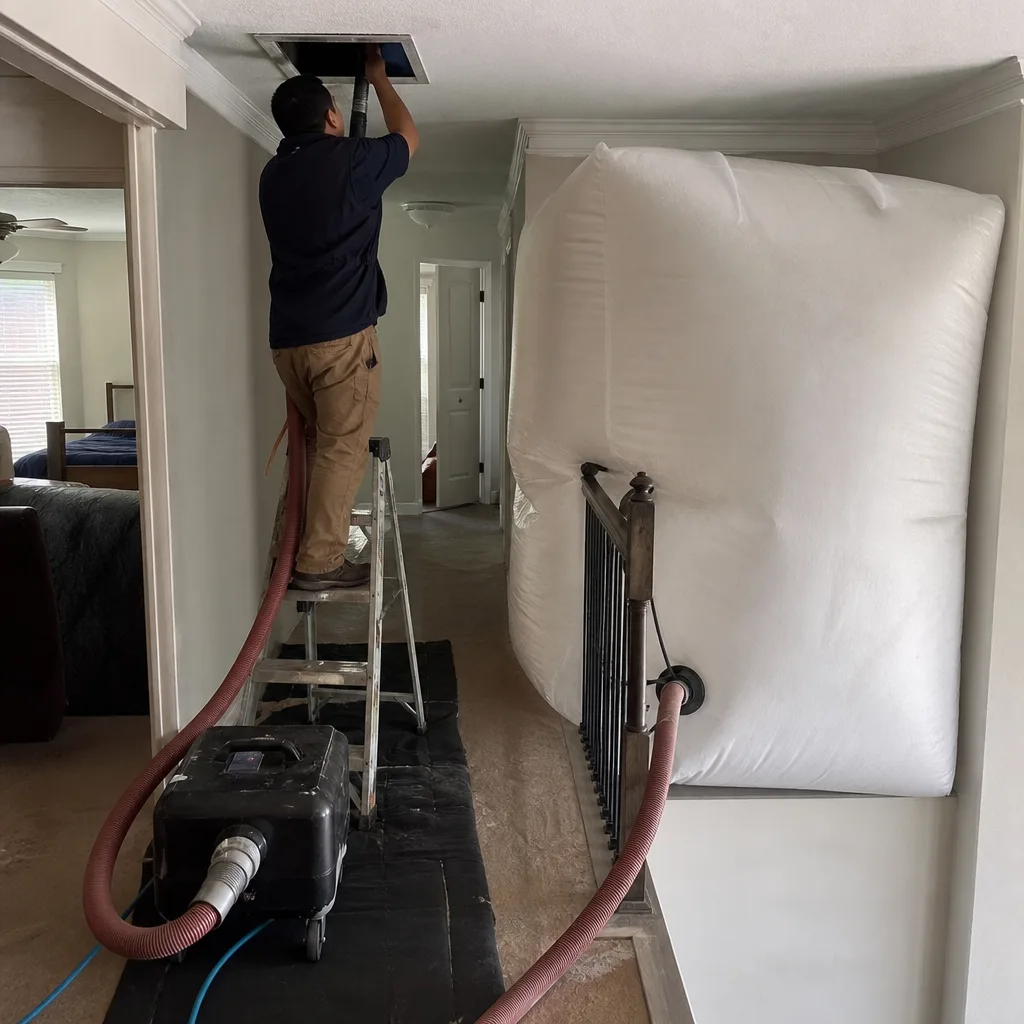
- Brush head stalls or seizes against the register face. The bristle tufts have worn below effective working length, usually after 800-1,200 linear feet of duct contact. In Schertz, we see accelerated wear during late summer when dust load spikes from dried clay soil infiltration through slab gaps.
- Vacuum adapter won’t maintain seal; suction drops at the hose. The foam gasket on the adapter plate compresses permanently over time, or the locking clips fatigue from repeated thermal cycling. A compromised seal means debris bypasses the vacuum stream and resettles downstream.
- Extension whip separates from the collar mid-run. The detent ball on the quick-connect wears a groove in the receiver, especially if you’re running the machine at full RPM against resistance. Once the groove depth exceeds 0.030 inch, the connection becomes intermittent.
- Uneven cleaning pattern visible on white paper test. Tape a sheet of white paper across the register face and run the brush for 30 seconds. A donut-shaped clean zone with a dirty center indicates bent or missing bristles on the inner tuft ring.
- Motor labors or thermal overload trips after 10 minutes of register work. The brush head is binding in the register vanes because the bristle diameter has swollen from heat exposure, or because someone previously ran a solvent through the head that softened the polypropylene. This is a component failure, not a motor problem.
BeforeAfterReplacement Cost & What’s Included
| Component | Parts Range | Installed Range |
|---|---|---|
| Brush head assembly (OEM Rotobrush) | $45-$65 | $180-$220 |
| Brush head assembly (aftermarket) | $32-$48 | $165-$195 |
| Extension whip kit (12-inch or 24-inch) | $28-$42 | $140-$175 |
| Vacuum adapter plate with gasket | $38-$55 | $160-$200 |
| Full register/grille cleaning set (all components) | $105-$155 | $280-$340 |
The installed range covers labor to remove the old component, inspect the collar and receiver for wear, install the replacement, and run a vacuum pull test to confirm seal integrity. We photograph the worn part beside the new one before we leave, and the 365-Day Done Right Promise applies to the installation and function, not just the component itself. Haven Standard Clause 1 requires the written price before any work starts; you’ll have the full number in hand before a panel comes off your Rotobrush.
What drives the range: aftermarket versus OEM selection, whether the collar receiver needs reaming from prior cross-threading damage, and if we’re working on a ceiling register that requires ladder access versus a floor register at ground level. Schertz homes in the older Pecan Grove and Live Oak sections sometimes have registers painted shut by prior owners, which adds 20-30 minutes of careful release work to avoid damaging the surrounding drywall.
DIY or Call Us?
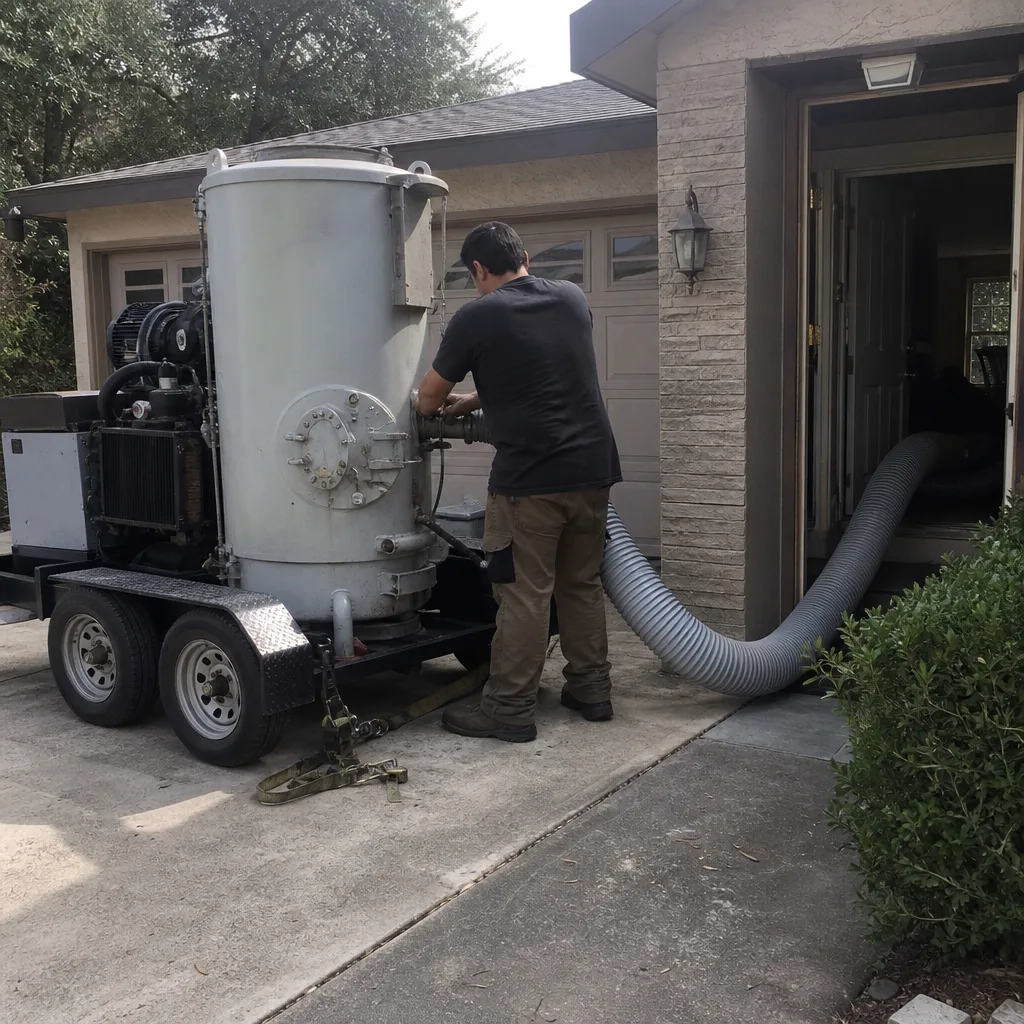
What you can safely check yourself: verify the quick-connect collar is fully seated and rotated until it clicks; inspect the foam gasket on the vacuum adapter for visible compression set or cracking; and confirm the extension whip isn’t kinked more than 45 degrees, which starves the brush head of torque. These checks require no tools beyond a flashlight and take under five minutes.
Where DIY goes wrong: forcing a brush head onto a damaged collar receiver will gall the aluminum threads beyond repair, and running an out-of-spec aftermarket head at incorrect RPM can throw the motor out of balance. The Rotobrush motor is a sealed unit; if you overload it repeatedly, the thermal fuse opens and the repair jumps from a brush head to a motor replacement. We don’t recommend disassembling the vacuum adapter plate; the internal baffle is tuned to maintain laminar flow, and reassembly without a flow meter yields unpredictable suction performance. If the component is more than a straightforward brush swap, call (830) 402-5110 and we’ll quote it in writing before the truck rolls.
FAQs
In residential use, expect 18-24 months for the brush head and 3-4 years for the extension whip and adapter plate. In Schertz, the Hill Country dust load and occasional pollen surge from live oak and cedar can shorten brush life by 20-30% if you’re running the machine seasonally rather than on a fixed maintenance calendar. Call (830) 402-5110 and we’ll check your usage pattern against the wear we see locally.
No. The bristle tufts are ultrasonically welded into the hub during manufacture, and the hub geometry is injection-molded to balance at 450 RPM. Field re-bristling throws that balance off and will damage the motor bearings. We replace the full assembly and photograph the old head for your job record. For a written price on the swap, call (830) 402-5110.
A single brush head or adapter plate swap takes 30-45 minutes on-site. A full register and grille cleaning set replacement runs 60-90 minutes, including vacuum pull testing and photo documentation of each register cleaned. We don’t quote dispatch speed; we quote the work done correctly. Call (830) 402-5110 for a written estimate.
Yes. We carry OEM and aftermarket brush heads, both whip lengths, and both standard adapter plate sizes on every CleanRun vehicle serving Schertz. If your collar receiver is damaged beyond spec, we also stock the receiver insert and have the reaming tool to restore proper geometry. Call (830) 402-5110 to confirm current inventory against your model prefix.
CleanRun Duct Repair & Cleaning is independently owned and operated under the Haven Standard. We are not affiliated with Rotobrush International. We also stock and install parts for Lennox, Trane, and Carrier systems.
The before photo does the talking. We just bring the camera. Every job includes a Documented Photo Record of every duct run, delivered as part of your standard job record. Tomas Reyes and the crew have been working Schertz long enough to know which neighborhoods have the shallow plenums and which have the original flex duct from the first build cycle. If the inside of your supply trunk is clean, we’ll tell you and bill you nothing extra.
Written by Tomas Reyes, Owner & Lead Technician, CleanRun Air Duct Cleaning Schertz at CleanRun Air Duct Cleaning Schertz, serving Schertz and nearby areas.